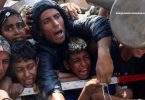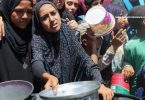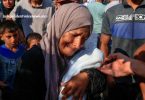
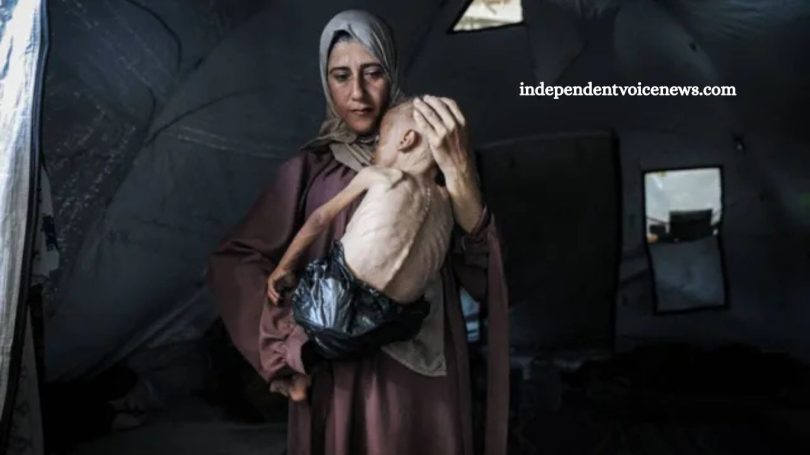

More than 100 international aid organizations and human rights groups are sounding a dire alarm over mass starvation in Gaza, urging governments worldwide to intervene immediately. Prominent humanitarian groups such as Médecins Sans Frontières (MSF), Save the Children, and Oxfam are among the signatories of a joint statement highlighting the devastating conditions faced by Gaza’s population. Their colleagues and the people they serve are “wasting away,” they warn, as severe shortages of food, medicine, and fuel worsen under a stringent blockade.
Starvation Crisis Deepens Amid Blockade and Conflict
Israel, which controls all supply entry points into Gaza, dismissed the joint statement, accusing the organizations of “serving Hamas propaganda.” Meanwhile, Gaza’s Hamas-run health ministry reports that 43 Palestinians have died from malnutrition since the previous Sunday, with 10 deaths in just the past 24 hours. The United Nations has corroborated these reports, revealing that hospitals are overwhelmed with patients suffering severe exhaustion due to hunger, and others are collapsing in the streets.
The humanitarian groups’ statement emphasizes the extreme hardship faced by Gaza’s residents: “As the Israeli government’s siege starves the people of Gaza, aid workers are now joining the same food lines, risking their lives just to feed their families.” With supplies depleted, many humanitarian workers witness colleagues and locals literally wasting away.
Read More: Mounting Evidence of War Crimes in Gaza Strains Israel’s Global Alliances
A Blockade with Deadly Consequences
The blockade began in early March and was intensified following the collapse of a two-month ceasefire after renewed military offensives. Israel has justified the siege as a measure to pressure Hamas to release Israeli hostages. Although the blockade was partially eased after nearly two months amid global famine warnings, the shortages of essentials like food, medicine, and fuel have only worsened.
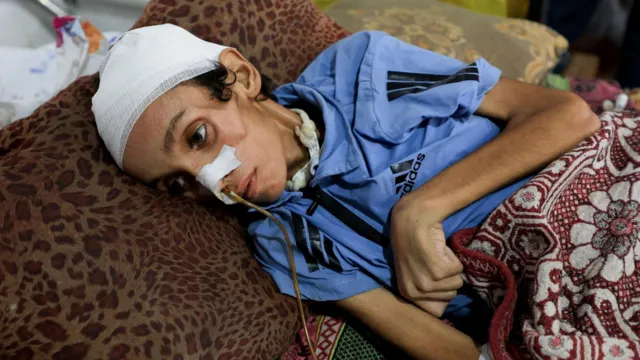
Medical professionals report record levels of acute malnutrition, especially among vulnerable children and elderly populations. Outbreaks of illnesses such as acute watery diarrhea have surged, markets remain empty, and garbage piles up as adults collapse from hunger and dehydration. One aid worker noted the heartbreaking effect on children: “They tell their parents they want to go to heaven because at least heaven has food.”
Alarming Statistics from the UN and WHO
The World Health Organization (WHO) estimates that about 25% of Gaza’s population faces famine-like conditions, with nearly 100,000 women and children suffering severe acute malnutrition requiring urgent treatment. WHO Director-General Tedros Adhanom Ghebreyesus starkly described the situation: “Mass starvation means starvation of a large proportion of a population, and a large proportion of the population of Gaza is starving. This is man-made and due to the blockade.”
Local doctors echo these warnings. Dr. Ahmad al-Farra, head of pediatrics at Nasser Hospital in Khan Younis, stated that no food had been available in his hospital for three days. Children admitted show various stages of starvation, and some have died despite medical care. Others have underlying health issues worsening nutrient absorption. “We feared reaching this critical point—and now we have,” he said.
Market Collapse and Rising Costs
Prices for basic goods have skyrocketed, making even essential items unaffordable for most families. A Gaza resident lamented, “It’s outrageous—prices are on fire. Every day we need 300 shekels (about $90) just to buy flour.”
Aid Delivery Under Fire
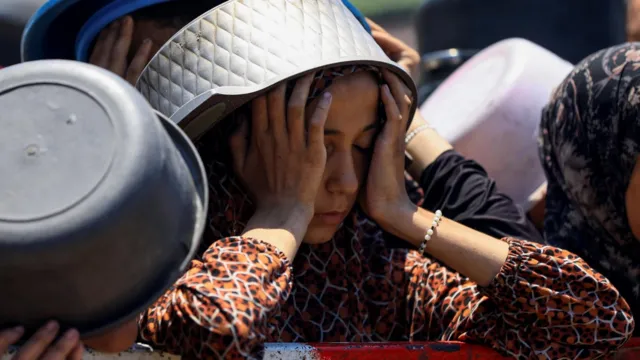
The humanitarian crisis is exacerbated by the deadly risks Palestinians face when trying to collect aid. The UN reports that since late May, more than 1,050 Palestinians have been killed near aid distribution points managed by the Gaza Humanitarian Foundation (GHF), a controversial entity supported by Israel and the US. The GHF operates four aid sites inside Israeli military zones, guarded by US private security contractors. The UN also recorded 288 deaths near UN and other aid convoys.
Israeli authorities claim troops have only fired warning shots and deny intentional targeting of civilians. The GHF accuses the UN of using “false and misleading” figures from Gaza’s health ministry.
Displacement and Restricted Access
Almost the entire population of Gaza has been displaced, confined to less than 12% of the territory outside Israeli evacuation orders or military zones. This severe restriction makes aid delivery extremely difficult. Only about 28 lorry loads of aid enter Gaza daily, despite tons of food, clean water, medical supplies, shelter items, and fuel sitting in warehouses inside and near Gaza, inaccessible due to bureaucratic and military restrictions.
The UN stresses Israel’s obligations under international law to ensure humanitarian aid reaches all civilians in Gaza. Israel insists it complies with international law by controlling aid flow to prevent Hamas from gaining resources, though it acknowledges a sharp reduction in supplies entering Gaza. The Israeli military body Cogat reported that almost 4,500 lorry loads of aid have entered Gaza in the past two months, including baby food and high-calorie nutritional products for children.
However, Cogat claims that delays in aid distribution result primarily from the UN and humanitarian groups failing to collect supplies on the Gazan side of crossings, creating a “collection bottleneck.”
Ongoing Challenges to Aid Operations
The UN cites numerous obstacles in aid delivery, including the need for Israeli authorization for Gazan drivers to transport supplies through military zones, damaged infrastructure, fuel shortages, and security threats from armed groups causing looting.
UN spokesperson Stéphane Dujarric condemned the pattern of civilians being shot near aid convoys despite assurances from Israeli troops. “Absolutely no one should have to risk their lives to get food,” he stated.
Calls for Decisive Global Action
The 109 humanitarian organizations demand an immediate and permanent ceasefire, lifting all restrictions, opening land crossings, and restoring UN-led, impartial humanitarian response efforts. They urge governments to halt arms transfers fueling the conflict and take concrete steps to end the siege.
Israel’s Rejection of Criticism
Israel’s foreign ministry strongly rejected the aid groups’ statement, accusing them of echoing Hamas propaganda and undermining efforts toward a ceasefire and hostage negotiations underway in Qatar. Israel launched its military campaign after Hamas’ October 7, 2023, attack on southern Israel that killed around 1,200 people and took 251 hostages. Since then, Gaza’s Hamas-run health ministry reports over 59,000 deaths due to the conflict.
Frequently Asked Questions
What is causing the mass starvation in Gaza?
The primary causes are severe restrictions on food, medicine, fuel, and humanitarian aid entering Gaza due to the ongoing Israeli blockade, compounded by months of conflict. Damage to infrastructure, displacement, and lack of access to clean water and electricity are further exacerbating the crisis.
Who is warning about this crisis?
Over 100 international humanitarian and human rights organizations, including Médecins Sans Frontières (MSF), Oxfam, and Save the Children, have issued joint statements warning that Gaza’s population is “wasting away” due to starvation and lack of access to aid.
How many people have died from starvation in Gaza so far?
As of the latest reports, Gaza’s health ministry states that over 43 people—many of them children—have died from malnutrition and related causes, with new deaths reported daily. The numbers are likely underreported due to limited access to many areas.
What are the current food conditions in Gaza?
The United Nations and the World Health Organization report that about 25% of Gaza’s population is experiencing famine-like conditions. Food prices are skyrocketing, markets are empty, and many residents have no access to safe drinking water or basic nutrition.
What has the UN said about the starvation?
UN agencies, including the World Food Programme and WHO, have labeled the crisis as man-made and preventable, calling it a result of deliberate restrictions and lack of humanitarian access. They have documented children dying from acute malnutrition and families collapsing in the streets from hunger.
Is humanitarian aid reaching Gaza?
Aid is entering Gaza in very limited amounts. Israel claims it is allowing aid through, but humanitarian groups report that only a fraction of the needed supplies are being delivered due to bureaucratic delays, infrastructure damage, and safety concerns.
What is the Israeli government’s response to these warnings?
The Israeli government denies responsibility for the starvation, accusing aid groups of spreading propaganda and not collecting the aid properly. It insists it is complying with international law and blames Hamas and inefficiencies on the ground for the aid distribution issues.
Conclusion
The worsening humanitarian crisis in Gaza is no longer a warning—it’s a devastating reality. As international aid groups report mass starvation and rapidly deteriorating health conditions, urgent global action is needed. Gaza’s civilians, the majority of whom are children and women, are paying the price of political deadlock, military operations, and restricted humanitarian access.