
The Israel Defense Forces (IDF) confirmed over the weekend that it has conducted a humanitarian airdrop over Gaza, delivering much-needed supplies to the besieged Palestinian enclave. The operation comes after weeks of mounting international pressure, increasing concerns of widespread starvation, and criticism of Israel’s restrictions on humanitarian access.
In a statement released early Sunday, the IDF said the airdrop “included seven packages of aid containing flour, sugar, and canned food,” aimed at alleviating the hunger crisis escalating across the Gaza Strip. The supplies were reportedly dropped in coordination with international humanitarian agencies and led by COGAT, the Israeli military body responsible for overseeing aid into Gaza.
While the IDF released footage appearing to show the humanitarian delivery, independent verification of the video has not yet been confirmed. Palestinian authorities have yet to comment publicly on the airdrop.
Context: A Growing Humanitarian Catastrophe
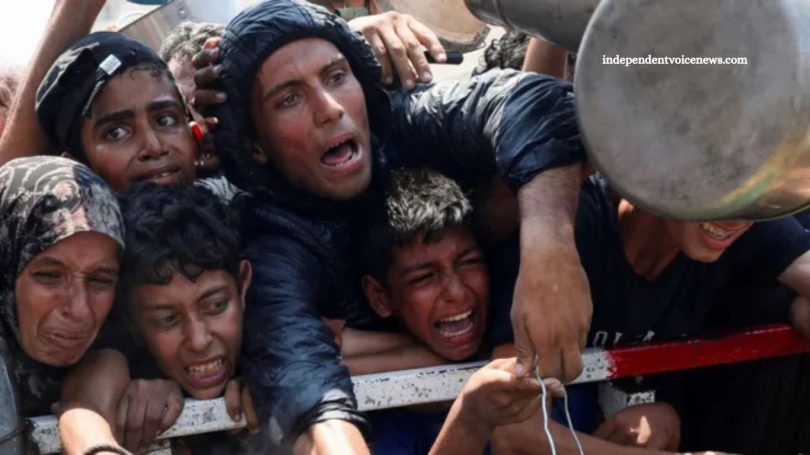
The airdrop follows months of limited access to food, water, and medical supplies in Gaza, where over 2 million residents face increasingly dire conditions. International organizations, including the United Nations and the World Health Organization (WHO), have issued repeated warnings about the risk of mass starvation and the deteriorating public health situation in the territory.
WHO Director-General Tedros Adhanom Ghebreyesus has described the situation as a “man-made mass starvation.” The Hamas-run health ministry in Gaza recently reported 125 deaths due to malnutrition in just a few days, including 85 children.
UN agencies and humanitarian groups have blamed Israel for the food crisis, calling for the removal of restrictions and the opening of land crossings to ensure continuous and safe delivery of aid. Israel has repeatedly denied allegations of using starvation as a weapon of war, labeling such claims as “false and unfounded.”
Read More: UN Warns Nearly One-Third in Gaza Go Days Without Food
Military Actions and Humanitarian Measures
In a separate statement Saturday, the IDF announced it had “begun a series of actions aimed at improving the humanitarian response in the Gaza Strip,” including the potential implementation of temporary humanitarian pauses in conflict zones.
Additionally, Israel said it had restored electricity to a desalination plant in Gaza, which officials estimate could supply water to roughly 900,000 residents. The facility had previously been rendered inoperable after Israel cut off all utilities and supplies to Gaza in early March. Partial resumption of aid began in May under tight restrictions.
International Initiatives and Aid Corridors
Israel’s recent airdrop and humanitarian concessions followed its agreement to a joint aid initiative led by Jordan and the United Arab Emirates, with support from the United Kingdom. The plan aimed to deliver emergency supplies to Gaza via air, a method seen by many humanitarian experts as a last resort rather than a sustainable solution.
Philippe Lazzarini, head of the UN’s Palestinian refugee agency (UNRWA), criticized air drops as “expensive, inefficient, and dangerous.” He warned that miscalculated drops could result in civilian injuries or deaths, especially in densely populated areas where many families are living in tents and makeshift shelters.
Lazzarini noted that UNRWA has over 6,000 trucks of aid waiting in Jordan and Egypt, ready to enter Gaza pending Israeli approval. “What we need is not risky airdrops but safe and reliable access through open land crossings,” he said. “Israel must lift the siege, open the gates, and allow dignified humanitarian access.”
Voices from the Ground: Hunger, Fear, and Risk
Residents inside Gaza are expressing skepticism and fear about the safety of airdrops. Many worry that the supplies could land in crowded areas or atop shelters, posing significant risks to already vulnerable civilians.
Speaking to BBC Arabic, a man living in northern Gaza described the process as “unsafe” and recalled past incidents in which poorly coordinated airdrops led to injuries and deaths. “It’s dangerous when aid drops on top of people’s tents,” he said. “Instead of helping, it can end in tragedy.”
Others emphasized that starvation is not the only threat. Access to clean drinking water remains a major issue, with many families surviving without basic sustenance. “We have no food, no bread not even water,” one mother told the BBC. “Our children are dehydrated. We are dying slowly.”
Military Conflict and Broader Implications
The humanitarian crisis in Gaza has deepened since the outbreak of war in October 2023, when Hamas launched a surprise attack on southern Israel, killing approximately 1,200 people and taking 251 hostages. In response, Israel initiated a large-scale military campaign in Gaza.
According to the Hamas-controlled health ministry, more than 59,000 Palestinians have been killed since the conflict began, with many casualties occurring in densely populated civilian areas. While Israel maintains that it targets Hamas fighters and infrastructure, the sheer scale of destruction has raised international alarm.
Aid convoys organized by the UN and other agencies have frequently encountered delays, security challenges, or outright rejection at border crossings. There have also been troubling reports of civilians being shot while approaching aid distribution sites. Witnesses allege Israeli troops opened fire on people searching for food. Israel disputes those claims, saying warning shots are used to disperse crowds and blaming Hamas for inciting chaos at aid points.
Responsibility and the Path Forward
The IDF reiterated that “distribution of food and humanitarian supplies in Gaza lies with the UN and international agencies,” while emphasizing that those bodies must ensure aid does not reach Hamas militants.
Despite recent concessions, aid organizations insist that small-scale efforts like airdrops cannot meet the massive scale of need in Gaza. Experts warn that unless land-based humanitarian corridors are fully restored, the risk of mass famine and civilian casualties will only increase.
While international diplomatic efforts continue, including proposals for ceasefires and humanitarian truces, the situation on the ground remains fragile. Calls are growing louder for Israel to take more decisive steps to enable the safe, sustained, and large-scale delivery of aid.
For now, the humanitarian airdrop serves as both a lifeline and a symbol of international concern, of local desperation, and of a conflict that continues to cost lives far beyond the battlefield.
Frequently Asked Questions
Why did Israel airdrop humanitarian aid into Gaza?
Israel conducted humanitarian airdrops to deliver urgent food supplies to Gaza amid growing international concern over famine and limited access to humanitarian aid through land routes.
What kind of aid was included in the airdrops?
The airdropped packages contained essential supplies such as flour, sugar, and canned food, aimed at addressing severe food shortages in Gaza.
How many aid packages were dropped into Gaza?
According to the Israel Defense Forces (IDF), seven aid packages were delivered during the airdrop mission. More missions may follow depending on humanitarian needs and coordination with global partners.
Was the airdrop coordinated with international organizations?
Yes, the airdrop was conducted in coordination with international humanitarian agencies and overseen by COGAT, the Israeli military body responsible for civil and humanitarian affairs.
Is airdropping aid a common practice in Gaza?
Airdrops are not a common or preferred method of aid delivery in Gaza. Most humanitarian groups, including the UN, advocate for aid to be delivered by land, which is safer, more efficient, and capable of serving larger populations.
Are the airdrops effective in solving the humanitarian crisis in Gaza?
While airdrops can provide temporary relief, aid organizations argue they are not a sustainable solution. Long-term aid delivery requires open land crossings and uninterrupted humanitarian access.
What are the risks associated with airdropping aid in Gaza?
Airdrops can pose serious risks, especially in densely populated areas. Misguided drops may cause injury or death if they fall on homes, tents, or crowds of people.
Conclusion
Israel’s recent humanitarian airdrop into Gaza highlights both the urgent need for aid and the complex challenges of delivering it during active conflict. While the airdrop offers temporary relief, it underscores the limitations of air-based aid solutions in addressing a large-scale humanitarian crisis. International organizations continue to call for the opening of land crossings and sustained access to essential supplies. As conditions in Gaza worsen, meaningful and coordinated efforts—beyond symbolic gestures—are critical to prevent further suffering and ensure that civilians receive the support they desperately need.