
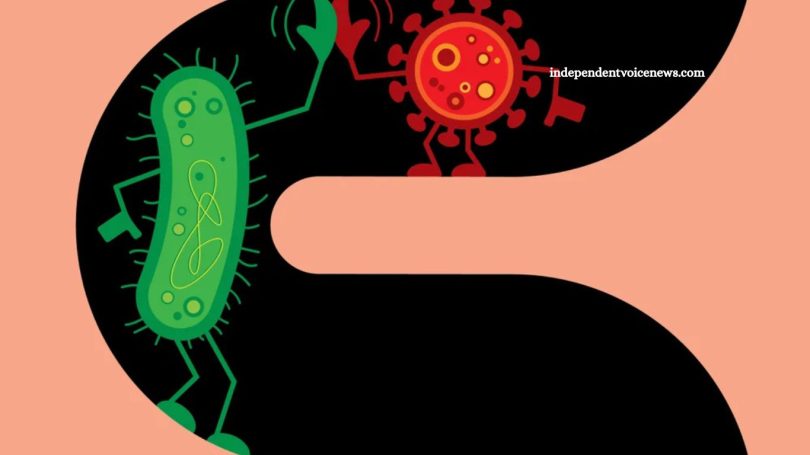

Viruses often carry a negative reputation, yet deep within our digestive system, many are quietly working to keep us healthy. This “gut virome” is a vital component of the microbiome the vast community of microbes that influence digestion, immunity, and overall well-being.
“The bacteria component of the microbiome is well known,” says Tao Zuo, a microbiologist at Sun Yat-sen University in China. “But the virome we don’t really know much about.”
What Makes the Gut Virome Hard to Study?
The virome accounts for only about 0.1 percent of the microbiome’s total biomass, Zuo explains. On top of that, viruses mutate rapidly, making their genetic material difficult to isolate and study. To better understand this elusive community, Zuo and colleagues reviewed extensive research data to catalog how the gut virome changes with age, diet, and environment.
Their review, published in Precision Clinical Medicine, emphasizes bacteriophages viruses that infect bacteria and make up more than 95 percent of the gut virome. Some bacteriophages benefit humans by targeting harmful gut bacteria. However, they can also reinforce pathogens. “For example, a bacteriophage may carry a gene that provides antibiotic resistance,” notes virologist Jelle Matthijnssens of Belgium’s KU Leuven, who was not involved in the study.
Read More: Fossils Reveal Baby Pterosaurs Likely Died from Broken Wings During Storms
How the Gut Virome Develops Over a Lifetime
The gut virome is dynamic, constantly shaped by genetics and environmental factors. At birth, infants often host bacteriophages that vastly outnumber gut bacteria. As exposure to the outside world increases, and the gut matures, bacterial populations expand. During adolescence, hormones and microbial exposure continue to shape the microbiome. By adulthood, most healthy individuals maintain a delicate balance between bacteriophages and bacteria—a mutually beneficial ecosystem.
Environmental and Lifestyle Influences
Certain bacteriophages are highly responsive to environmental changes. Diet, air quality, stress, inflammation, and immune signaling all influence the virome. Poor nutrition or exposure to certain medications can disrupt this balance, reducing virome diversity. Such imbalances are linked to disorders like inflammatory bowel disease.
In older adults, immune system decline and increased metabolic stress can further disrupt the virome, potentially contributing to age-related illnesses. Understanding these patterns may one day inform treatments such as phage therapy, where bacteriophages are used to target harmful bacteria. However, researchers caution that more study is required.
Challenges in Virome Research
“A key challenge is distinguishing causality from correlation,” says Evelien Adriaenssens, a microbiologist at the Quadram Institute in England. “Each individual’s virome is unique, so we cannot make sweeping statements about someone’s health by looking at their virome alone.”
Despite the challenges, exploring the gut virome could unlock new insights into digestion, immunity, and disease prevention. As research advances, these microscopic viruses may prove to be one of the body’s unsung allies in maintaining health throughout life.
Frequently Asked Questions
What is the gut virome?
The gut virome is the collection of viruses that live in our digestive system. It is a key part of the microbiome and influences digestion, immunity, and overall health. Most of these viruses are bacteriophages, which infect and interact with gut bacteria.
Are viruses in the gut harmful?
Not all viruses are harmful. Many bacteriophages help maintain a healthy balance by targeting harmful bacteria. However, some can contribute to antibiotic resistance or support pathogens under certain conditions.
How does the gut virome change over time?
The virome evolves throughout life. At birth, bacteriophages often outnumber bacteria, but exposure to the environment, diet, and hormones gradually shapes a balanced microbiome. Aging, stress, and lifestyle factors can further alter the virome.
Can diet and lifestyle affect the gut virome?
Yes. Diet, medications, air quality, stress, and immune health all impact virome diversity. Poor nutrition or certain drugs may reduce diversity, potentially contributing to digestive disorders like inflammatory bowel disease.
What is phage therapy?
Phage therapy is a potential clinical approach that uses bacteriophages to target harmful gut bacteria. While promising, it is still under research, and more studies are needed before it becomes a common treatment.
Is everyone’s gut virome the same?
No. Each person’s virome is unique, shaped by genetics, environment, diet, and lifestyle. This individuality makes it difficult to draw general conclusions about health based solely on virome composition.
Why is the gut virome difficult to study?
The gut virome is small, making up about 0.1% of the microbiome’s biomass. Viruses also mutate quickly, which complicates genetic analysis and limits our understanding of their functions.
Can understanding the virome improve health?
Potentially. Studying the gut virome may lead to new therapies, better management of digestive disorders, and insights into how viruses interact with the immune system.
Conclusion
The gut virome, though often overlooked, is a vital component of our microbiome and overall health. These viruses especially bacteriophages play a key role in maintaining a balanced gut ecosystem, influencing digestion, immunity, and even disease risk. From infancy through old age, the virome adapts to genetics, diet, lifestyle, and environmental factors, highlighting its dynamic nature.