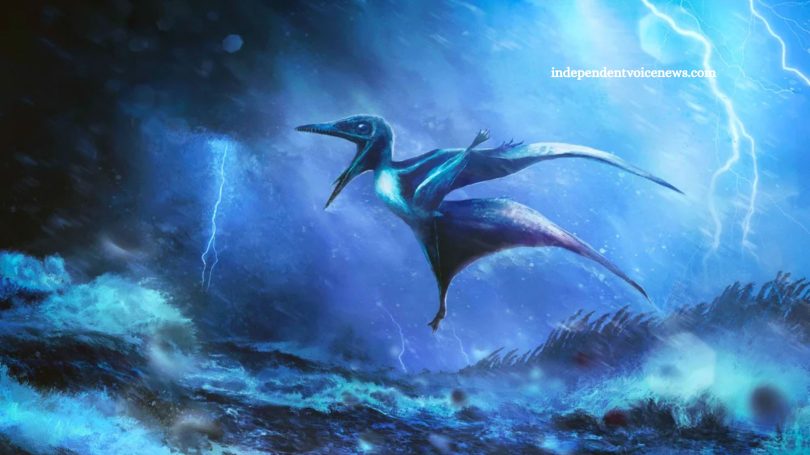

About 150 million years ago, two baby pterosaurs met a tragic end when powerful storm winds battered their fragile wings, sending them tumbling into a muddy lagoon. Newly analyzed fossil evidence from Germany now reveals the dramatic cause of their deaths, offering unprecedented insight into the lives—and early flights—of these ancient reptiles.
Fractured Wings Tell a Grim Tale
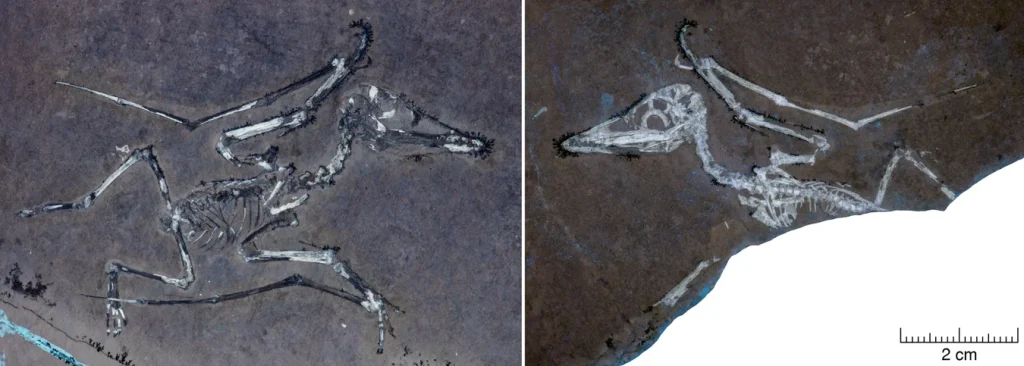
Researchers studying the fossils discovered that one young pterosaur had a fractured right wing bone, while the other had a broken left wing. Unlike simple breaks caused by direct impacts, the fractures appear to have been caused by twisting forces. Such oblique humerus fractures are well-documented in young birds and bats caught in high winds but have never before been observed in pterosaurs.
The findings, published on September 5 in Current Biology, suggest that these injuries occurred while the pterosaurs were in flight. Their delicate forelimb bones could not withstand the force of the storms, leading to fatal accidents that ended their lives in the lagoon.
Read More: GOP Senators Warn Trump: Kennedy’s Position Is Unstable
The Pterosaurs of Solnhofen
Both specimens belong to Pterodactylus antiquus, discovered in Germany’s Solnhofen Limestone, a world-renowned site for Jurassic fossils dating from 201.4 to 145 million years ago. At the time of their deaths, the young pterosaurs had wingspans of only 7.9 inches (20 centimeters) and were likely just a few weeks old.
The location and nature of their injuries strengthen evidence that pterosaurs were capable of flight shortly after hatching. “These fractures indicate that young pterosaurs could take to the air almost immediately,” says Dave Unwin, associate professor of paleobiology at the University of Leicester.
Illuminating the Past with UV Light
To study the fossils, researchers Robert S. H. Smyth and Dave Unwin examined the specimens under ultraviolet light. This technique caused the fossils to fluoresce, highlighting details of the fractures that had gone unnoticed for years. The two pterosaurs, housed separately in German museums, were nicknamed Lucky I and Lucky II for their extraordinary preservation.
Along the fracture lines, the bones showed pronounced displacement, characteristic of twisting injuries. The lack of healing confirmed the pterosaurs died shortly after sustaining the trauma.
Fragile Bones, Rare Fossils
Pterosaur bones are exceptionally delicate, making complete fossil specimens rare. Victor Beccari, a doctoral candidate studying pterosaurs in Germany, notes that finding juvenile pterosaurs with clear evidence of traumatic injury is exceptionally unusual. “These fossils not only provide insight into flight at a very young age but also offer a snapshot of the dynamic Jurassic environment,” he says.
The high preservation quality of Solnhofen fossils results from unique conditions: calm, anoxic lagoon bottoms that prevented decay and scavenging. This allowed even the most delicate bones to fossilize intact.
A Lagoon of Death
The new analysis also offers a darker perspective on Solnhofen’s fossil record. Many small and young pterosaur fossils in the region may not reflect thriving populations but instead a deadly environment. Storm winds could easily toss hatchlings into lagoons, where they were buried in mud and preserved for millions of years.
Unwin describes it as “almost like a Medusa effect,” where the tiny bodies were frozen in time by sudden, violent events. In contrast, adult pterosaurs, with stronger bones and greater flight skills, likely avoided these deadly storms, explaining their relative absence in the fossil record at this site.
Storms and Sediments: Understanding Fossil Bias
Mineral evidence from Solnhofen indicates that the region experienced frequent storms during the Jurassic period. These events stirred lagoon sediments and unleashed gusts strong enough to kill young pterosaurs. Such localized conditions created a fossil record that is heavily skewed toward juvenile individuals and storm-related deaths.
While Solnhofen has long been a key site for studying pterosaurs, paleontologists are increasingly aware that it provides a narrow window into Jurassic life. The patterns seen here may not represent broader pterosaur populations but rather specific ecological and environmental conditions.
Advancing Knowledge of Ancient Flight
The discovery of these storm-related injuries is a significant step forward in understanding how pterosaurs lived and died. It supports the idea that flight was a crucial skill from an early age, even for tiny hatchlings, and highlights the challenges they faced in a volatile environment.
“The more we understand the preservation process, the better we can reconstruct ancient ecosystems and behaviors,” Unwin says. Studies like this help bridge gaps in knowledge about prehistoric life, from the vulnerability of juvenile pterosaurs to the power of natural events that shaped their world.
Frequently Asked Questions
What species of pterosaurs were affected?
The fossils belong to Pterodactylus antiquus, a small pterosaur from the Jurassic period. The specimens were hatchlings with wingspans of about 7.9 inches (20 cm).
How did scientists determine the cause of death?
Researchers analyzed the fossils under ultraviolet (UV) light, which highlighted fractures in the wing bones. The twisted, displaced nature of the breaks suggested trauma caused by storm winds during flight, rather than post-mortem damage.
Where were the fossils found?
The fossils were discovered in the Solnhofen Limestone in Germany, a famous Jurassic site known for exceptional fossil preservation.
Why are juvenile pterosaur fossils rare?
Pterosaur bones were extremely fragile, making intact fossils uncommon. Finding juvenile specimens with clear evidence of injury is even rarer due to their delicate structure and the specific conditions needed for fossilization.
Could pterosaurs fly shortly after hatching?
Yes. The nature of the wing injuries suggests that baby pterosaurs were capable of flight soon after hatching, similar to modern birds and bats that experience wing fractures in strong winds.
Why are adult pterosaurs less common in Solnhofen fossils?
Adults were likely stronger fliers and could avoid storms that killed hatchlings. Additionally, local environmental conditions and storm activity made it more probable for juveniles to fall into lagoons and be preserved as fossils.
What does this discovery tell us about the Jurassic environment?
It indicates that storms were frequent and intense, creating hazardous conditions for young pterosaurs. The fossils provide a snapshot of a dynamic and sometimes deadly paleoenvironment.
Conclusion
Fossil evidence from Germany’s Solnhofen Limestone reveals a dramatic glimpse into the fragile lives of baby pterosaurs. Twisted wing fractures caused by powerful storm winds suggest that even at just a few weeks old, these hatchlings were capable of flight but vulnerable to environmental hazards. The findings not only shed light on the early development and behavior of Pterodactylus antiquus but also highlight how stormy conditions shaped their survival—and their fossil record.