
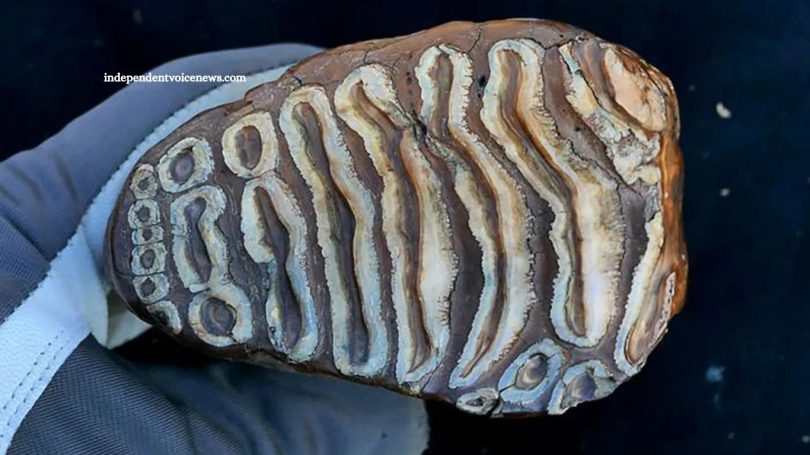

Ancient mammoths (Mammuthus) are revealing more than their massive bones and iconic tusks they are providing a glimpse into the microscopic world that existed within them. Recent research has uncovered microbial DNA from mammoth teeth, skulls, and skin, offering the oldest evidence of bacteria and pathogens in extinct animals. This groundbreaking study not only sheds light on the health and diseases of mammoths but also provides insights into how microbes may have influenced their survival, adaptation, and eventual extinction.
Ancient Mammoth Microbes Revealed Through Teeth and Bones
Analysis of the bones and teeth of ancient mammoths (Mammuthus) has uncovered microorganisms that lived in their mouths and bodies over a million years ago. The study, published in Cell on September 2, presents the oldest microbial DNA ever sequenced and shows that some pathogenic bacteria, now linked to African elephant deaths (Loxodonta africana), once infected mammoths.
“This provides a global view of the bacteria and viruses that existed in this extinct species,” says co-author Benjamin Guinet, a palaeomicrobiologist at the Centre for Palaeogenetics in Stockholm, Sweden. Further research may reveal how these microbes influenced adaptation to different environments and possibly contributed to mammoth extinction.
Pathogenic Microbes in Ancient Mammoths
Previous research focused mainly on human-associated microbes, leaving prehistoric animal microbiomes largely unexplored. To investigate mammoth–microbe interactions, scientists analyzed DNA from teeth, skulls, and skin of 483 mammoths. Specimens spanned North America, Britain, and Siberia, ranging from the Early Pleistocene (around one million years ago) to the last mammoths on Wrangel Island 4,000 years ago.
The team identified 310 microbial species linked to mammoth tissues. Many were environmental bacteria that colonized tissues post-mortem, which were filtered out to focus on microbes present during the animals’ lifetimes.
Read More: The Hidden Gut Virome: How It Protects and Evolves Across Our Lifespan
Mapping the Mammoth Microbiome
Using metagenomic screening and phylogenetic analysis, researchers compared ancient microbial DNA to modern bacteria. They identified six bacterial groups associated with living mammoths, including species that may have caused disease.
Key findings include:
- Actinobacillus: Previously found in pig feces, this strain was part of the mammoth oral microbiome.
- Pasteurella: Closely related to a pathogen responsible for fatal septicaemia in African elephants in 2020. This bacterium likely moved from the mouth to the bloodstream, causing death.
Implications for Ancient Ecology and Extinction
These discoveries provide a rare glimpse into the microbiomes of extinct animals, offering insights into host–microbe relationships over evolutionary time. Future studies may clarify how microbes helped mammoths adapt to diverse environments or contributed to their eventual extinction.
Frequently Asked Questions
What did the study of mammoth teeth and bones reveal?
Researchers discovered microorganisms that lived in mammoths over a million years ago, including bacteria potentially linked to diseases. This is the oldest microbial DNA ever sequenced.
Which pathogens were identified in mammoths?
The study identified bacteria such as Actinobacillus, part of the mammoth oral microbiome, and Pasteurella, related to pathogens that have caused fatal infections in African elephants.
How were the microbes studied?
Scientists used metagenomic screening to sequence DNA from teeth, skulls, and skin, then applied phylogenetic analysis to compare ancient microbes with modern species.
Why is this research important?
The findings provide insights into ancient host–microbe interactions, showing how microbes may have influenced mammoth health, adaptation, and even extinction.
Where were the mammoth specimens found?
Specimens came from North America, Britain, and Siberia, spanning from the Early Pleistocene (~1 million years ago) to the last mammoths on Wrangel Island 4,000 years ago.
Can this research help modern conservation efforts?
Studying ancient pathogens can improve understanding of how diseases evolve and affect large mammals, offering insights relevant to species like elephants today.
Conclusion
The study of ancient mammoth teeth and bones has unlocked a window into the microbiomes of extinct species, revealing bacteria that lived over a million years ago. By identifying pathogenic microbes such as Actinobacillus and Pasteurella, researchers not only traced links to diseases in modern elephants but also gained insights into how microbes may have influenced mammoth health, adaptation, and extinction.