
The White House is intensifying efforts to deport undocumented immigrants, focusing on Democrat-led cities and clashing with liberal governors from California to New York. This push follows massive “No Kings” protests, where millions rallied against Trump’s strict immigration policies, which remain a top priority for his administration.
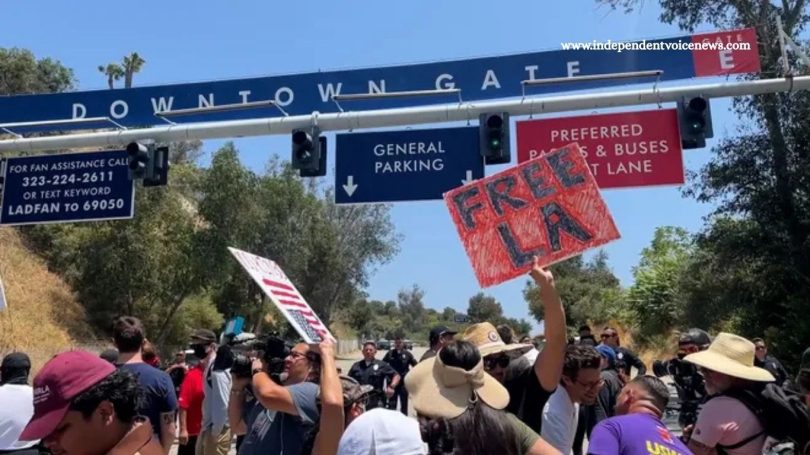
Recent protests in Los Angeles, sparked by aggressive ICE detentions, led to clashes, tear gas, and some looting, though most participants were peaceful. To control unrest and protect ICE agents, Trump deployed thousands of National Guard troops despite opposition from Gov. Gavin Newsom, whom Trump disparages.
Invoking military powers usually reserved for wartime, Trump claims Biden-era policies enabled an invasion. He’s expanding detention centers, deportation flights, and completing the U.S.-Mexico border wall. Advocates report harsher enforcement in both rural and urban areas, with over 40% of ICE detainees having no criminal record.
While officials say they target violent criminals and gangs, workers in vineyards, car washes, and construction have also been detained, often by masked agents refusing to identify themselves, increasing tensions. Polls reveal 51% of Americans support Trump’s border and immigration actions, though only 45% approve of his overall presidency.
Trump insists his administration is committed to making communities safe from illegal immigration, describing migration as a “mass destruction” that has transformed towns into dystopias.
Read More: Man, 25, Accused of Stalking Memphis Mayor, Approaching Home with Stun Gun
Resistance to Trump immigration enforcement spreading
Across the nation, Trump’s aggressive immigration policies are causing widespread fear. Coffee shops share tips to protect workers, advocates track ICE raids to warn vulnerable communities, and some groups confront agents to resist detentions.
In California, officials are increasing food-bank funding as immigrant communities grow anxious and hesitant to shop. Although the administration targets undocumented immigrants, an estimated 4.7 million U.S. households with mixed legal and undocumented members are affected, according to the Center for Migration Studies.
New York Gov. Kathy Hochul highlighted the fear when ICE arrested NYC Comptroller Brad Lander during a court escort. Despite ICE’s claims that Lander assaulted an agent, video shows him being roughly handled as he requested a warrant. ICE now detains people attending immigration hearings under a new directive, including those previously protected from deportation.
The White House has hinted that elected officials opposing these policies could face arrests. Several lawmakers, including Democratic Sen. Alex Padilla, have recently been detained or treated roughly by federal agents.
Advocates decry broken trust with police
Some immigration experts argue that the Trump administration prioritizes rapid detention and deportation, often at the expense of due process.
“They’re testing the limits of what they can get away with,” said Professor Michael Kagan, an immigration attorney and director of the University of Nevada Las Vegas immigration clinic. He noted increased raids and a clear focus on Democratic leaders.
While many Trump supporters initially backed strict immigration enforcement, Kagan believes growing concerns exist over the administration’s failure to focus solely on violent criminals and gang members.
“Although a core group supports these actions, most of the public does not,” he added.
Advocates decry broken trust with police
Retired California police officer Diane Goldstein, now executive director of the Law Enforcement Action Partnership, expressed deep concern over ICE’s recent tactics against immigrant communities and some U.S. citizens. She warned these aggressive actions risk undoing decades of trust built between law enforcement and the public.
Goldstein highlighted how masked agents, often refusing to show identification or warrants, are creating fear and mistrust. The New York City Bar Association also criticized these practices, saying they allow agents to avoid accountability.
“These tactics undermine local policing efforts and constitutional protections,” Goldstein said. “We’re disappearing people, including U.S. citizens, which is unacceptable.”
She emphasized that community trust is essential for effective policing. “Without trust, neither the community nor officers benefit. People often think they won’t be affected—until they are.”
The ACLU echoed these concerns, warning that Trump’s crackdown will intensify unless courts, Congress, and the public intervene.
Frequently Asked Questions
What does it mean that Trump is on a collision course with millions of Americans?
It means Trump’s policies and actions are causing significant conflict and opposition from millions of U.S. citizens who disagree with his approach, especially on issues like immigration and law enforcement.
Why is Trump not backing down despite the opposition?
Trump remains committed to his core promises and policies, believing they are necessary for national security and public safety, even in the face of widespread protests and criticism.
Which groups of Americans are most opposed to Trump’s policies?
Opposition primarily comes from immigrant rights advocates, liberal politicians, communities in Democrat-run cities, and those concerned about civil rights and due process.
What actions has Trump taken that increased tensions with these groups?
Trump has escalated immigration enforcement, deployed National Guard troops to control protests, expanded detention centers, and pushed for stricter border controls.
How do polls reflect public opinion on Trump’s approach?
Polls show a majority of Americans support his border and immigration policies, but overall approval ratings for his presidency remain lower.
What are the potential consequences of this escalating conflict?
The tension could lead to more protests, political polarization, strained relations between federal and local governments, and ongoing debates about immigration reform.
Conclusion
Trump’s unwavering stance on immigration and enforcement is intensifying divisions across the country. While his policies resonate with a significant portion of Americans seeking stronger border security, they also fuel widespread protests and deepening conflicts with communities, activists, and liberal leaders. This ongoing clash underscores the growing polarization in the nation and highlights the urgent need for balanced, effective solutions that address security concerns while respecting human rights and community trust.