
Hundreds may have been exposed to rabies after a suspected bat colony was discovered in Jackson Lake Lodge, a historic hotel in Grand Teton National Park, officials said. The colony, found in cabins over several months, prompted a notice for guests who stayed between May 5 and July 27.
Since June 2, the lodge has received eight reports of overnight guests potentially exposed to bats. Investigations revealed the Bat Colony nested in the attic above those rooms. The affected rooms were closed while public health officials assess risks and recommend precautions.
The Wyoming Department of Health and the CDC are coordinating with local health officials to evaluate rabies exposure and determine preventive treatment. Guests who meet the criteria will be connected with providers in their home states. Visitors are encouraged to contact the lodge to confirm whether they stayed in affected rooms.
Reports: Affected guests visited from 38 states, seven countries
Officials are tracking guests from 38 U.S. states and seven countries who may have been exposed to rabies at Jackson Lake Lodge. Hotel employees are also being contacted, though they face lower risk than overnight guests.
State health authorities reported about 250 reservations in affected rooms between May and July, estimating up to 500 guests may have stayed in the cabins. Travis Riddell, director of the Teton County Public Health Department, said, “Although many people were exposed, we know exactly who they are. The wider community is not at risk from this incident.”
Some deceased bats were sent to the Wyoming State Veterinary Laboratory for testing. As of August 15, none tested positive for rabies. The Wyoming Department of Health and Veterinary Laboratory did not immediately respond to requests for comment.
Read More: European Leaders to Meet Ukraine’s Zelenskyy at White House with Trump
Bats in Teton County, Wyoming
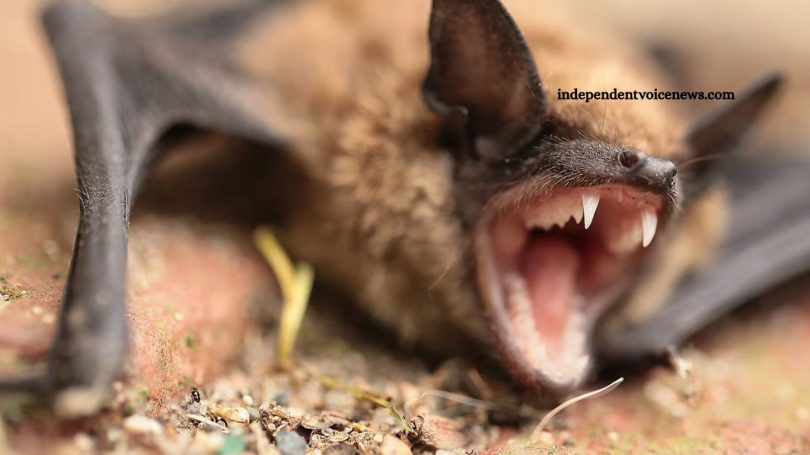
Bats play a vital role in Grand Teton National Park’s ecosystem by controlling insect populations, including mosquitoes, the National Park Service said. The most common species are little brown bats, followed by big brown, silver-haired, hoary, Yuma, long-legged, and long-eared bats, with occasional sightings of California myotis and western small-footed bats.
Fewer than 1% of bats carry rabies. Visitors are advised to observe wildlife from a safe distance, avoid touching animals, report unusual behavior to park officials, and wash any bites or scratches immediately with soap and warm water.
The Jackson Lake Lodge incident is Teton County’s first major rabies exposure since 2017, when 13 people received preventive treatment after a bat colony was found at the AMK Ranch research facility. “Rabies in bats was rare before 2017, but cases have been confirmed almost every year since,” the Teton County Public Health Department said.
Bat exposure to rabies
Rabies is a deadly viral disease that spreads through bites or scratches from infected animals, most commonly bats and skunks in Wyoming, the National Park Service and CDC said. While fatal if untreated, rabies is preventable through pre-exposure vaccination, pet vaccinations, and prompt medical care after exposure.
The virus attacks the central nervous system, causing severe brain disease and death if treatment is delayed. Symptoms can take weeks to months to appear. Bats pose a particular risk because their small bites or scratches may go unnoticed.
“Although rabies in animals is rare, any exposure especially involving bats is taken very seriously due to the fatal risk if untreated,” the National Park Service said.
Frequently Asked Questions
What happened at Jackson Lake Lodge in Grand Teton National Park?
A suspected bat colony was discovered in cabins at Jackson Lake Lodge, potentially exposing hundreds of guests to rabies between May 5 and July 27, 2025. Some affected rooms have been closed for investigation and mitigation.
How many people may have been exposed to rabies?
Officials estimate up to 500 guests from 38 U.S. states and seven countries stayed in potentially affected rooms. About 250 reservations were linked to these rooms during the period.
Are hotel employees at risk?
Hotel employees are being contacted for rabies risk assessments, but officials believe they face a lower risk than overnight guests who stayed in the affected rooms.
What measures are being taken for those potentially exposed?
The Wyoming Department of Health and CDC are coordinating with local public health officials to assess exposure and determine whether preventive treatment is necessary. Guests meeting risk criteria will be referred to providers in their home states.
Which bat species are found in Grand Teton National Park?
Common species include little brown bats, big brown bats, silver-haired, hoary, Yuma, long-legged, and long-eared bats. California myotis and western small-footed bats have also been observed.
How dangerous are bats in terms of rabies?
Less than 1% of bats carry rabies. However, even small, unnoticed scratches or bites can transmit the virus, making any exposure potentially serious.
What is rabies and why is it a concern?
Rabies is a viral disease affecting the central nervous system. It is fatal if untreated but preventable through vaccination and timely medical care. Symptoms may appear weeks to months after exposure, making early assessment critical.
Conclusion
The bat colony discovered at Jackson Lake Lodge highlights the importance of awareness and precaution when visiting wildlife-rich areas like Grand Teton National Park. While the risk of rabies remains low, timely reporting, preventive measures, and proper medical care are crucial for anyone potentially exposed. Park officials continue to monitor the situation, assess risks, and guide affected guests, ensuring public safety while preserving the vital role bats play in the park’s ecosystem.