
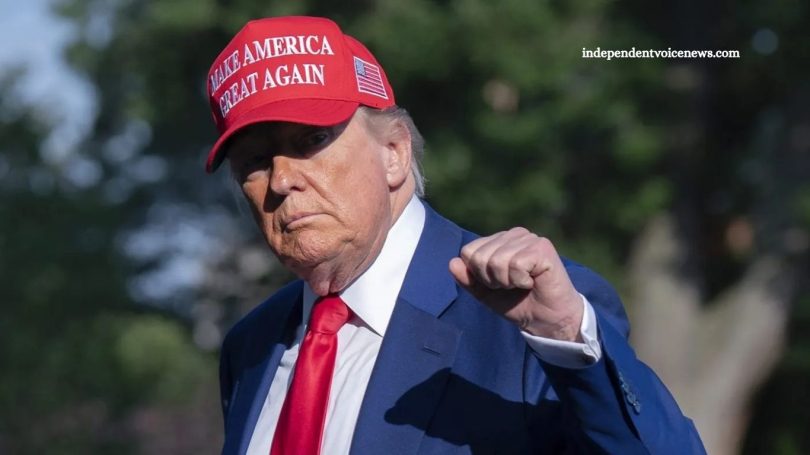

Former President Trump Drive has revived a major legislative initiative known as the “Big, Beautiful Bill.” With renewed energy, his team is mobilizing support from lawmakers, leveraging media outreach, and crafting compelling messaging to drive this ambitious agenda forward.
Goals and Vision
At its core, the “Big, Beautiful Bill” aims to inject substantial economic stimulus, modernize infrastructure, bolster national security, and reduce regulatory burden. The bill’s architects argue that it offers a transformative opportunity to:
- Spur job creation and reduce unemployment
- Upgrade ageing infrastructure—roads, bridges, ports, and broadband
- Strengthen national defense and cybersecurity
- Roll back excessive regulations to promote business growth
Trump portrays this legislation as a cornerstone of his policy legacy—“big” in scope, “beautiful” in impact.
Read More: Trump Kicks Off Summer with Strong Momentum
Political Landscape and Strategy
Building Congressional Alliances
To navigate the legislative process, Trump and his team are working closely with congressional leaders. They are engaging both Republicans and moderate Democrats, appealing to shared interests: economic revival, public works, and national defense. Negotiators are fine-tuning provisions to ensure bipartisan support.
Messaging and Media Campaign
Recognizing the importance of public opinion, Trump has launched a media blitz. Campaign rallies, interviews, op-eds, and social media campaigns all highlight the bill’s benefits. Messaging focuses on:
- Economic revival and jobs
- Upgraded roads, airports, and digital connectivity
- National security enhancements
- Deregulation to unleash private-sector innovation
Consistent, concise talking points reinforce the narrative that this bill is a game‑changer for America.
Hedge Against Opposition
Not surprisingly, critics have surfaced. Some argue the bill balloons federal debt. Others caution that less regulation may compromise oversight. Trump counters by emphasizing targeted spending, economic growth projections, and the competitive edge deregulation can provide. He argues: high upfront costs will be outweighed by long-term gains.
Bill Mechanics: Funding and Coverage
To finance the plan, the proposal outlines several mechanisms:
- Infrastructure Bonds and Treasury Debt: Long-term bonds aimed at investors
- Reallocation of Federal Funds: Redirecting portions of existing budgets
- Public-Private Partnerships: Encouraging private-sector investment
- Targeted Tax Incentives: Supporting specific industries and designating funds
The bill also delineates priority sectors:
- Transportation: Roadways, mass transit, rail, ports, and airports
- Digital Infrastructure: Nationwide broadband expansion and modernization
- Energy: Grid upgrades, renewable-energy transmission, and resilience
- Defense & Cybersecurity: Fortifying military readiness and digital defenses
- Regulatory Reform: Removing outdated red tape for construction, energy, and manufacturing
Economic and National Security Impact
Job Creation
By funneling money into public works and modernization, projections estimate hundreds of thousands of jobs in construction, tech, energy, and logistics. Trump emphasizes that the goal is not just temporary stimulus, but sustainable employment.
Competitiveness & Innovation
Updating critical infrastructure—especially broadband and energy—could aid U.S. competitiveness. State-of-the-art facilities are seen as catalysts for research, manufacturing, and export growth.
National Defense Strengthening
Enhanced cybersecurity funding and defensive systems are key to shore up military facilities and digital networks. The bill’s proponents say this will defend vital infrastructure from evolving global threats.
Investment Incentives
With tax breaks and incentives for private investment, the legislation aims to unlock capital in areas like green energy, advanced manufacturing, and fiber-optic deployment—expanding long-term economic development.
Roadblocks and Counterarguments
Rising Debt Concerns
Some lawmakers worry about mounting federal debt. Trump counters by citing projections that infrastructure investment will boost tax revenues and reduce future safety net expenses.
Environmental and Labor Issues
Critics caution that streamlined approvals may sidestep environmental assessments and labor protections. Trump’s team argues that modern standards and oversight will remain in place. They stress accelerated timelines won’t undo safety measures.
Opposition from Progressive Democrats
Progressives seek stronger climate action and social provisions—such as affordable housing and equity initiatives. Negotiations are underway to incorporate key amendments, potentially reducing resistance.
Timeline and Next Steps
- Committee Hearings – Congressional committees are expected to review and amend bill components.
- Draft Revisions – Negotiators will adjust priorities, balancing bipartisan needs.
- Floor Votes – The House and Senate will vote on final versions.
- Executive Approval – Trump’s allies signal he’s ready to sign immediately upon passage.
Frequently Asked Questions
What is the “Big, Beautiful Bill”?
A sweeping legislative proposal championed by Trump to stimulate the economy via infrastructure upgrades, deregulation, and national defense investment.
How is it funded?
Funding comes from bonds, reallocated federal funds, public-private partnerships, and targeted tax incentives.
Who supports it?
Mostly backed by Republicans; moderate Democrats and some industry leaders are also supportive due to the bill’s broad scope.
What are the key priorities?
Transportation, digital infrastructure, energy modernization, defense, and regulatory reform.
How will it impact jobs?
Projected to create hundreds of thousands of jobs in construction, tech, energy, and logistics sectors.
What about budget concerns?
Critics highlight rising federal debt. Supporters counter that long-term growth and increased tax revenue will offset costs.
Are there environmental or labor trade-offs?
Some express concern over weaker regulatory oversight. Trump’s team assures that safety and quality standards will be maintained.
When might it pass?
Committee reviews are ongoing. Final votes could occur in the next few months, depending on negotiations and political dynamics.
Conclusion
Trump’s “Big, Beautiful Bill” represents a high-stakes legislative push. It offers massive economic and national security potential but has significant political and fiscal obstacles. Its fate depends on successful negotiation with lawmakers, public backing, and effective messaging. For proponents, it’s a transformational investment. For critics, it’s a bold gamble. The coming months will reveal whether this effort becomes Trump’s signature legacy or remains unrealized ambition.