
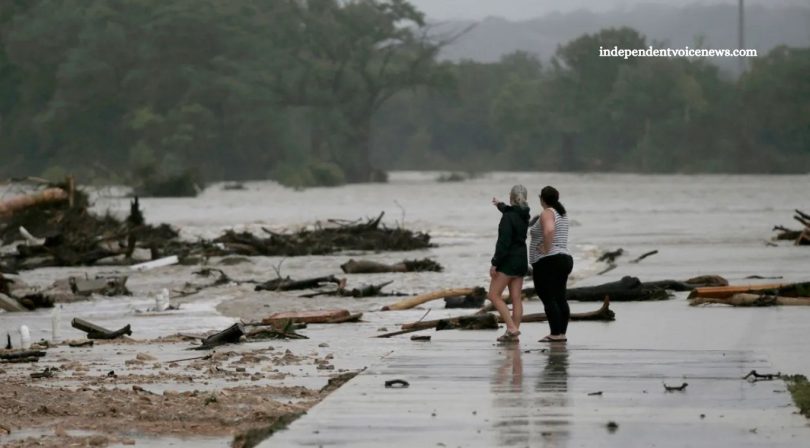

Deadly Texas Floods swept through Central Texas over the Independence Day weekend, killing at least 90 people and leaving communities reeling. While nature played its part, the tragedy has sparked outrage over missed warnings and delayed responses.
Despite multiple flood alerts issued by meteorologists and the National Weather Service (NWS), many local officials and residents claim they had no warning. As state, local, and federal authorities trade blame, the disaster raises urgent questions about communication failures, outdated emergency systems, and the real cost of inaction.
Central Texas Devastated by Flash Floods
Over the July 4th weekend, catastrophic flooding swept through Central Texas, leaving at least 90 people dead and dozens more missing or injured. The disaster has ignited fierce debate among local, state, and federal officials over who failed to act on the clear and persistent weather warnings issued days in advance.
Meteorologists argue the deadly event was both predicted and preventable. However, officials on the ground insist they were caught off guard — raising troubling questions about the effectiveness of Texas’s emergency warning systems.
Read More: Trump’s Approval Ratings on Key Issues: Where He Stands
Forecasts Issued Days Before the Disaster
Warnings of heavy rainfall and potential flash flooding began as early as Wednesday. Meteorologist Avery Tomasco of CBS Austin highlighted the presence of “tropical fuel” from the remnants of Tropical Storm Barry. He warned viewers of the possibility of 5 to 15 inches of rain — an alarming but plausible scenario given the tropical air mass hovering over Central Texas.
By Thursday evening, National Weather Service (NWS) alerts predicted that local soils — dry and baked from intense heat — could be overwhelmed quickly. In the early hours of Friday, flash flood warnings were officially issued for Kerr County.
Communication Breakdown in the “Last Mile”
Despite these forecasts, residents in many affected areas reported receiving little to no actionable communication before the floods hit. According to John Sokich, a former legislative director with the NWS union, the warnings were in place — but failed to reach or motivate the public effectively.
This “last mile” failure refers to the breakdown between forecast and response — a critical gap where lives are either saved or lost. Sokich suggested that persistent staff shortages within NWS offices might have hindered local outreach efforts. Without full staffing, critical alerts may not have been followed up with targeted action.
Officials Deny Having Prior Notice
Kerr County Judge Rob Kelly stated that local leaders “had no reason to believe” a disaster of this scale was imminent. State emergency management director Nim Kidd also denied that the forecast reflected the severity of the event. Their comments were quickly challenged by meteorologists nationwide.
Ryan Maue, a former NOAA chief scientist, criticized these statements, noting that officials appeared to dismiss credible warnings issued days before the flood. The discrepancy points to a broader systemic issue in how weather warnings are interpreted — and acted upon — at the local level.
Gaps in Texas’s Warning Infrastructure
Inadequate infrastructure in rural counties like Kerrville has long hindered emergency communication. Although local leaders have pushed for modern flood warning systems, budget constraints and failed funding attempts left the area unprepared.
In 2018, Kerr County and the Upper Guadalupe River Authority applied for $1 million from FEMA to build a river siren warning system. The request was denied. More recently, a $500 million statewide disaster warning initiative passed the Texas House but failed in the Senate. Ironically, one of the bill’s opponents was a representative from Kerr County, who later admitted he would have voted differently in hindsight.
The Human Element: Misunderstanding Flash Floods
Experts say the problem isn’t just technology — it’s communication. According to Keri Stephens, a disaster communication researcher at the University of Texas, many Texans don’t understand what flash flooding actually is.
“People can’t visualize what a 20-foot rise in water looks like,” Stephens said. Misunderstanding leads to inaction, particularly among younger adults who often underestimate flood risks. She recommends changing public messaging from “Turn Around, Don’t Drown” to phrases like “Stay High and Dry,” which may resonate more effectively.
Campgrounds Left Vulnerable
The floodwaters hit hardest in riverside campgrounds like Camp Mystic, where sleepaway campers had little warning. Amanda Sue Jones, who was camping with her family near the Guadalupe River, said they received some NWS alerts — but the evacuation notice from the campground came only after the water had begun rising dangerously fast.
Her family survived by taking shelter in a nearby restroom facility. Others were not so fortunate. One camper described how his trailer, with his family inside, was swept away within minutes.
Low-Tech Solutions Can Save Lives
In areas where cellphone service is limited — a common issue in Texas Hill Country — experts recommend using weather radios as backup alert systems. Chad Berginnis, director of the Association of State Floodplain Managers, emphasized the importance of community-level preparedness.
“Technology is only part of the equation,” Berginnis said. “Campgrounds, towns, and individuals must have their own response plans in place.”
Calls for Legislative Action
Texas Governor Greg Abbott has promised to prioritize the development of a better state warning system during the next legislative session. Meanwhile, meteorologists and emergency planners are urging communities to learn from this tragedy before the lessons are forgotten — a phenomenon they call “flood amnesia.”
Frequently Asked Questions
What caused the Texas floods?
Tropical moisture from the remnants of Storm Barry stalled over Central Texas, resulting in torrential rainfall. Flash floods overwhelmed dry soil and riverbanks, particularly in the Hill Country.
Were there warnings before the flood?
Yes. The National Weather Service and local meteorologists issued multiple alerts days before the event. However, many residents didn’t receive or respond to these warnings.
Why didn’t local officials act sooner?
Officials claim forecasts did not predict the flood’s severity. Experts, however, argue that communication gaps and lack of infrastructure contributed to delayed responses.
What areas were hit the hardest?
Riverside campgrounds, including Camp Mystic and areas along the Guadalupe River, experienced the most significant damage and loss of life.
Could the flood have been prevented?
While the rainfall couldn’t be stopped, better warning systems and evacuation protocols might have reduced fatalities.
What emergency systems are currently in place?
Most counties rely on NWS alerts, FEMA’s Integrated Public Alert & Warning System, and local emergency managers. However, many areas lack sirens or river gauge-triggered alerts.
Are there plans to improve warning systems?
Yes. Proposals have been made at the state level, including a $500 million disaster communication upgrade. Governor Abbott has pledged to revisit these plans.
How can residents protect themselves in the future?
Texans should stay informed via weather radios, understand flood risks, and develop evacuation plans — especially in rural or riverside areas.
Conclusion
The deadly Central Texas floods were not just a natural disaster — they exposed dangerous flaws in emergency preparedness, communication, and response. As the state mourns its losses, experts agree: better systems, clearer messages, and a stronger connection between forecasts and action are essential to preventing future tragedies. The time to prepare is now — before the next storm hits.