
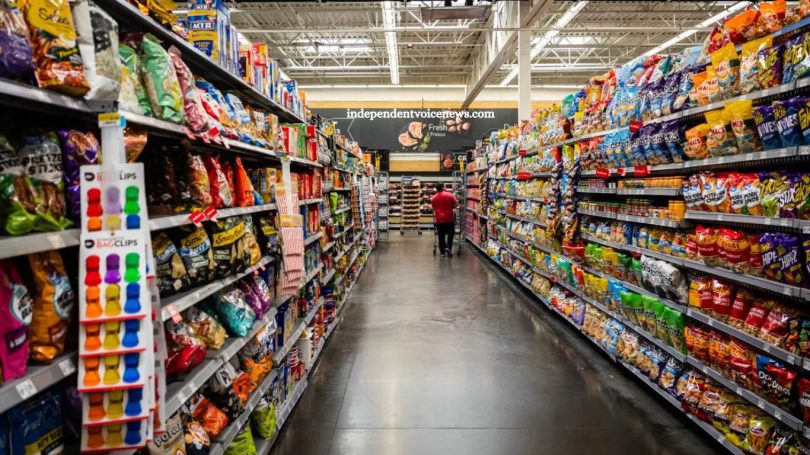

Major retailers like Walmart and Home Depot recently reported earnings, updating Wall Street on how they and their customers are handling President Trump’s recent tariffs increases.
The key insight: retailers are facing higher costs but have found ways to limit widespread price hikes. Consumer spending has remained strong, and the impact on prices hasn’t been as severe as initially feared. Compared with spring concerns, executives now signal that costs and retail prices are unlikely to surge dramatically.
Walmart, which warned in May that some prices might rise, has selectively increased prices while keeping others stable or offering discounts. CFO John David Rainey said, “We’ve absorbed higher tariff costs in some areas, passed along costs in others, but across the basket, we aim to keep prices as low as possible.”
Retail analyst Scot Ciccarelli noted that price increases are “far less than expected” when tariffs were first announced. Companies are mitigating impacts through strategies like diversifying sourcing or pushing costs back to vendors.
Here are three key takeaways from recent retail earnings.
Read More: From Beekeeping to Budgets: Finance Chief to Lead WBD’s New Networks Division
Consumer Spending Holds Steady, with Some Variations
U.S. consumer spending remained generally steady this quarter, though patterns varied across categories and income levels. At Walmart, sales of private-label items—typically cheaper than national brands—stayed flat, signaling some households are trading down due to tighter budgets. CFO John David Rainey said shopper behavior has been “very consistent” and that customers continue to show resilience.
Both Walmart and Coach parent Tapestry raised their full-year sales outlooks, citing strong demand for discretionary items like clothing, handbags, and shoes. For instance, Coach’s $695 large Kisslock bag sold out minutes after its July launch.
However, some categories remain challenged, particularly among lower-income shoppers sensitive to price increases. Walmart CEO Doug McMillon noted that tariff effects on spending have been “somewhat muted,” but rising costs have impacted mid- and lower-income households more than higher-income shoppers.
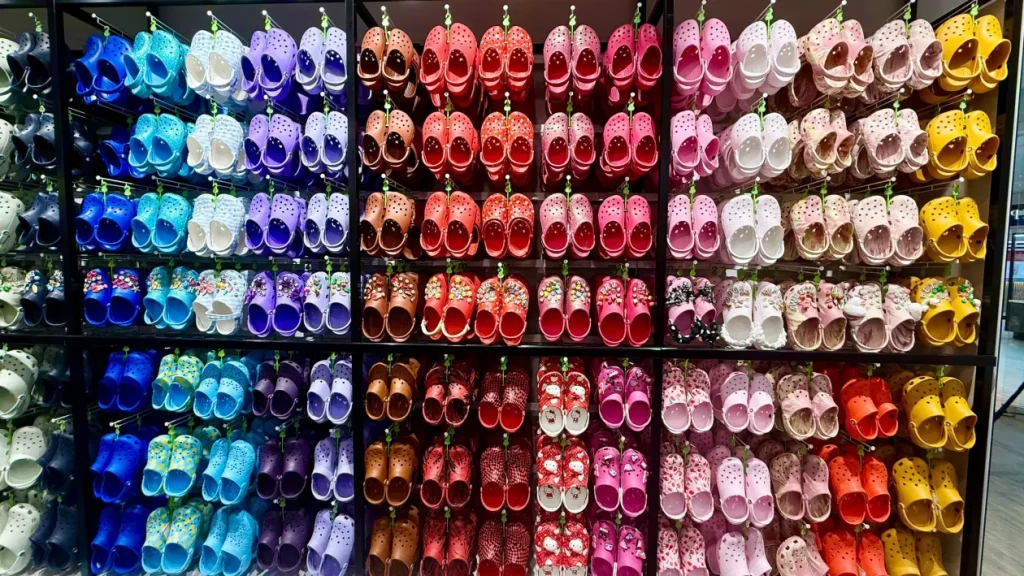
Home improvement sales at Home Depot and Lowe’s improved late in the quarter, though higher borrowing costs continue to limit major projects. Meanwhile, Crocs warned of weak retail traffic and cautious consumers, particularly among price-sensitive shoppers.
Retailers Strategically Limit Tariff Impacts
Retailers have acted swiftly to minimize the effects of tariffs, using strategies such as diversifying import sources, stocking up early, and prioritizing high-demand items. Walmart, Target, and Tapestry-owned Coach have leveraged early shipments and well-timed inventory to curb cost increases.
Price adjustments have been carefully managed to avoid alarming customers or drawing political scrutiny. Sharkninja, maker of blenders and hairstyling tools, raised prices cautiously and even rolled back some increases. New products, like its CryoGlow infrared skincare mask, launched at higher prices to offset rising costs.
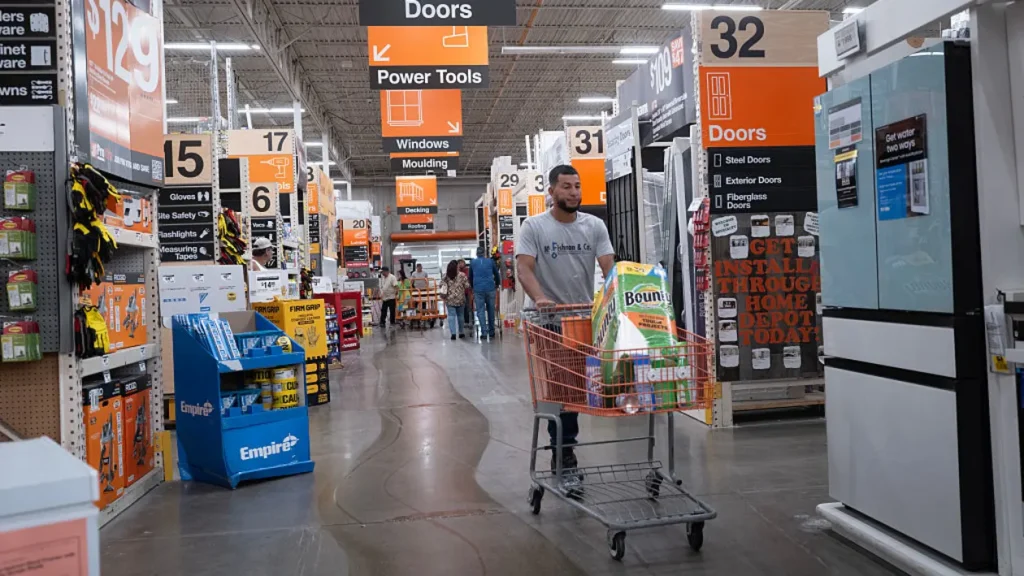
Home Depot also imported most products before tariffs took effect and aims to limit imports from any single country to 10% by year-end. Still, executives acknowledge that tariff costs will continue. Walmart expects ongoing duty-related cost increases, while Tapestry estimates $160 million in additional expenses for the fiscal year, impacting profits despite sales growth.
Trade uncertainty remains, particularly with China, as tariffs fluctuate with negotiations. Target reflected this uncertainty by offering a wider-than-usual full-year earnings outlook.
Strong Brands and New Revenue Streams Help Weather Tariffs
Companies with strong brand loyalty and profitable new businesses are better positioned to handle trade uncertainty. Home Depot and Lowe’s have expanded services for professional customers, securing steadier revenue as homeowners delay major projects. Lowe’s recently acquired Foundation Building Materials for $8.8 billion, its second pro-focused acquisition in months, while Home Depot continues to grow its professional segment.
Walmart has benefited from diversified revenue streams, including a 46% increase in global advertising and 17% growth in its third-party marketplace. These high-margin businesses provide more stable earnings, even amid cost pressures, according to CFO John David Rainey.
Some brands can absorb tariff costs due to strong demand. Birkenstock saw no pushback after raising prices, and Coach has used higher average prices and fewer markdowns to offset costs. Conversely, smaller or slower-growing brands face more pressure, with less leverage to negotiate with vendors. Target’s margins were affected by canceled orders, while Crocs reduced orders for the year’s second half.
Frequently Asked Questions
What are the recent tariffs affecting retailers?
The U.S. government has implemented tariffs on a range of imported goods, impacting costs for retailers like Walmart, Target, and Home Depot. Tariffs on some products from China and other countries have fluctuated, with some delayed or reduced during ongoing trade negotiations.
How have retailers responded to higher tariffs?
Retailers have taken strategic actions to limit cost increases, including diversifying sourcing, stocking inventory early, prioritizing high-demand items, and selectively raising prices. Some companies have also reduced discounting or adjusted pricing for new products.
Are consumers feeling the impact of tariffs yet?
So far, consumer spending has remained mostly steady. Some lower- and middle-income shoppers are more sensitive to price changes, while sales of discretionary items and strong brands continue to perform well.
Which retailers are managing tariffs most effectively?
Companies like Walmart, Target, Home Depot, and Tapestry-owned Coach are successfully mitigating tariff effects through early imports, professional-focused services, and diversified revenue streams such as advertising and marketplaces.
How are tariffs affecting profits?
While some retailers can absorb costs or pass them selectively to consumers, others face margin pressure. For example, Tapestry anticipates $160 million in additional costs this fiscal year, and Target’s profit margins were impacted by canceled orders.
Could tariffs increase further?
Trade uncertainty remains, particularly with China. While some tariff rates have been delayed or reduced, future adjustments could still affect retail costs and pricing strategies.
Conclusion
Higher tariffs have created challenges for U.S. retailers, but companies like Walmart, Target, Home Depot, and Coach are navigating the landscape with strategic pricing, early inventory management, and diversified revenue streams. Consumer spending has remained resilient, particularly for strong brands and discretionary items, while lower-income shoppers feel the effects more acutely. As trade uncertainty continues, retailers with adaptable strategies, loyal customers, and high-margin businesses are best positioned to weather rising costs and maintain steady growth.