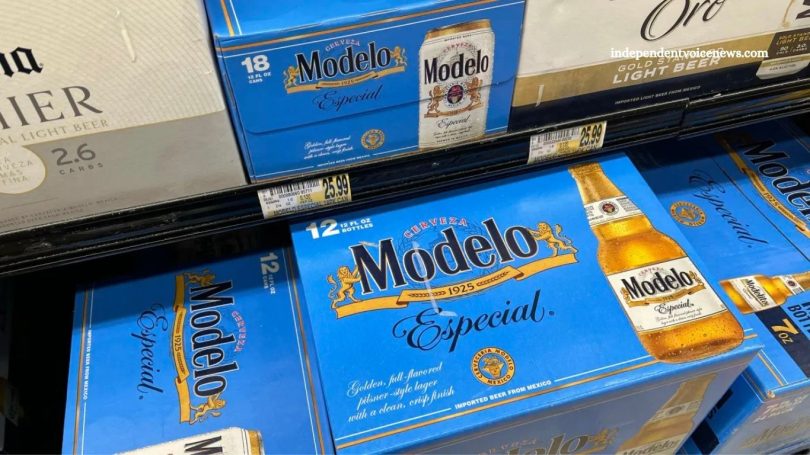

Constellation Brands, the parent company of popular beer labels like Modelo, Corona, and Pacifico, reported quarterly earnings and revenue on Tuesday that fell short of Wall Street expectations. The underwhelming financial results were primarily attributed to the rising cost of aluminum due to new U.S. tariffs, which have significantly squeezed margins across the beer segment — a business line that contributes nearly 80% of the company’s total revenue.
Despite the disappointing quarter, the beverage giant remains optimistic about its longer-term targets and has reaffirmed its forecast for fiscal 2026, indicating confidence in its strategic direction and market resilience.
Earnings Miss Driven by Rising Aluminum Costs and Softer Consumer Demand
In its fiscal first-quarter report for the three months ending May 31, Constellation Brands posted adjusted earnings per share (EPS) of $3.22, falling short of analysts’ forecast of $3.31. Revenue also missed expectations, coming in at $2.52 billion compared to the projected $2.55 billion.
The company’s net income declined sharply to $516.1 million, or $2.90 per share, down from $877 million, or $4.78 per share, during the same period last year. The sharp drop in profitability was accompanied by a 1.5% decline in operating margin, largely due to the increased costs associated with sourcing aluminum, which is essential for canned beer production.
Read More: NASA to Stream Rocket Launches on Netflix Starting This Summer
Impact of Tariffs on Imported Aluminum and Beer
President Donald Trump’s latest round of tariffs has had a direct impact on Constellation’s operations. In March, trade duties on imported aluminum were raised to 25%, and by early June, that rate had surged to 50%. These increases have directly inflated production costs for canned beer, the core product for Constellation’s beer portfolio.
Additionally, Trump’s tariffs on imported beer, which started in April, further strained the company’s pricing flexibility. Constellation relies heavily on imported Mexican beer brands, making it particularly vulnerable to international trade policies and raw material price volatility.
Beer Segment Decline Reflects Shifting Consumer Behavior
Beer shipment volumes for the quarter dropped by 3.3%, underscoring waning consumer demand. CEO Bill Newlands noted that the slump is partially tied to “non-structural socioeconomic factors,” without diving into specifics. However, this echoes his previous statements linking declining beer sales to a drop in purchases from Hispanic consumers.
According to internal data, about half of Constellation’s beer sales originate from Hispanic customers. Recent concerns about immigration policy changes under the Trump administration may be influencing purchasing decisions within this demographic, creating additional headwinds for the company.
Revenue Slump Exacerbated by Svedka Vodka Divestiture
Constellation’s decision to divest from the Svedka vodka brand also contributed to the 5.8% year-over-year drop in net sales. While this move aligns with the company’s focus on premium, high-growth segments, the immediate financial impact has added to the quarterly revenue miss.
Fiscal 2026 Outlook Reaffirmed
Despite the hurdles, Constellation Brands has not revised its guidance for fiscal 2026. The company continues to project comparable earnings per share in the range of $12.60 to $12.90. Organic net sales are expected to range from a 2% decline to a 1% increase — a modest yet optimistic outlook given current market conditions.
This guidance suggests that company leadership remains confident in its long-term strategies, including premiumization, portfolio optimization, and increased efficiency across its supply chain.
Market Reaction: Investor Caution Persists
Following the earnings release, Constellation Brands’ stock dipped slightly in after-hours trading, falling less than 1%. However, the broader trend has been more concerning: shares have dropped over 20% year-to-date. Investor sentiment appears shaken by ongoing uncertainty surrounding tariffs, raw material inflation, and demand instability.
Upcoming Conference Call: What to Expect
Constellation Brands executives will provide further commentary during their earnings call scheduled for Wednesday at 10:30 a.m. ET. Analysts and investors will be looking for more detailed insights into cost management strategies, consumer demand forecasts, and contingency plans related to evolving trade regulations.
Frequently Asked Questions
Why did Constellation Brands miss its earnings estimate?
The primary factors were higher aluminum costs due to new tariffs and softer consumer demand for its beer products.
How much did Constellation earn in Q1?
The company posted adjusted earnings of $3.22 per share on revenue of $2.52 billion, both missing analysts’ estimates.
What caused the drop in net income?
Net income fell due to increased aluminum tariffs and declining beer shipment volumes. The divestiture of the Svedka vodka brand also impacted revenue.
What role do aluminum tariffs play in Constellation’s performance?
Aluminum is a key input in canned beer packaging. Higher tariffs increased production costs, reducing operating margins.
Are sales to Hispanic consumers really declining?
Yes, according to the CEO, political and socioeconomic concerns — particularly immigration policies — have dampened beer consumption among Hispanic consumers, who account for around 50% of sales.
How has the market responded to the earnings miss?
The stock dropped less than 1% in extended trading, but it has lost over 20% of its value in 2025 so far.
What are Constellation’s future projections?
For fiscal 2026, the company expects EPS between $12.60 and $12.90, with flat to slightly negative organic net sales.
What brands are in Constellation’s beer portfolio?
The portfolio includes popular imported Mexican brands like Modelo Especial, Corona, and Pacifico — with Modelo now being the top-selling beer in the U.S.
Conclusion
Constellation Brands faces clear headwinds in the form of rising production costs, uncertain consumer behavior, and geopolitical trade pressures. However, the company’s ability to maintain its fiscal 2026 targets suggests a strong strategic foundation.
Investors will be watching closely to see how Constellation navigates the coming quarters. If it can effectively manage costs, adapt to shifting consumer demographics, and maintain brand strength, there’s potential for a rebound. For now, caution remains the prevailing sentiment in the market, even as the company signals long-term confidence.