
Key Takeaways
- Prioritize user needs to create valuable, evergreen content.
- Adopt ethical SEO practices to build credibility and trust.
- Integrate SEO with other digital marketing channels for a holistic approach.
- Regularly update content to maintain relevance and authority.
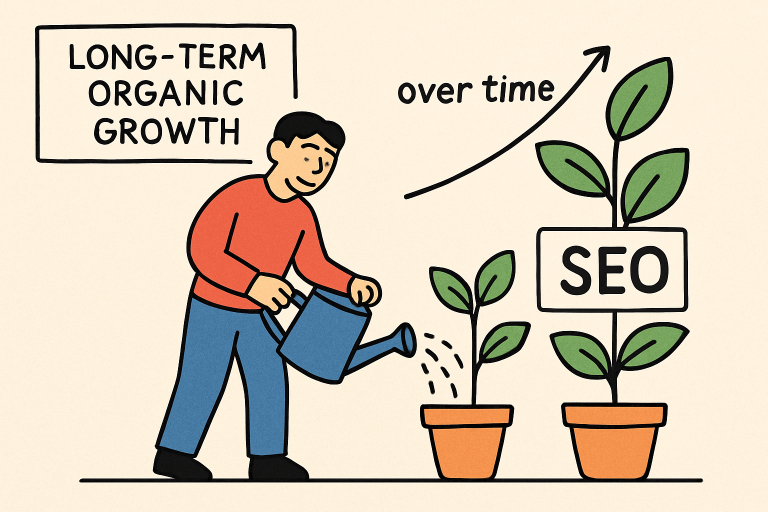
Success with search engine optimization is rarely about chasing the latest algorithm update or shortcut. Instead, brands that commit to a sustainable approach see more reliable results over time. Developing a long-term SEO mindset means going beyond technical tricks and focusing on user trust, ongoing learning, and cohesive digital strategies. Working with an award-winning SEO company can help refine this perspective, ensuring your efforts remain future-proof and results-driven.
Businesses that want to achieve lasting SEO results must recognize the value of user-first content, transparent practices, and regular content refreshes. Only by adopting these principles can organizations maintain authority and visibility as search engines continue to evolve. With so much competition for attention online, cultivating an SEO mindset puts user experience and quality at the center of your strategy, building resilient growth rather than temporary spikes.
Understanding the SEO Mindset
Establishing an SEO mindset requires seeing optimization as a continuous process rather than a one-off project. Brands should focus on strategies that add long-term value. This includes creating content that serves the audience and sticking to best practices that remain valuable even as the digital landscape changes. When viewed this way, SEO becomes a core function of your overall marketing and business growth strategy.
Google’s algorithm is designed to reward genuine value and relevance, not manipulative tactics. By prioritizing user satisfaction, quality, and ethical guidelines, you position your website for consistent visibility and authority in your field.
Prioritizing User Needs
Effective SEO starts with understanding your audience: the questions they have, the problems they face, and how your business can provide the solutions they seek. Producing content that clearly addresses user intent helps your site stay relevant regardless of shifting search trends or updates. This means thorough keyword and topic research, as well as paying attention to the user experience once visitors reach your pages.
User-centric content stands the test of time. Google continues to reward websites that offer comprehensive, authoritative answers. By focusing on giving real value to your audience, you help ensure both stronger rankings and higher engagement. For example, pillar pages and detailed guides can remain useful to your audience while supporting your SEO for years.
Adopting Ethical SEO Practices
Building organic search authority is best achieved by adhering to ethical, white-hat SEO strategies. Manipulative tactics such as keyword stuffing or link-buying might yield short-term gains, but they expose your site to penalties and lost trust. Instead, prioritize content quality, earn backlinks through genuine relationships, and always follow search engine guidelines.
Google’s own documentation makes it clear that prioritizing users over algorithms leads to far more sustainable outcomes. Brand credibility is built by delivering on your promises and providing accurate, trustworthy information as the foundation of your SEO efforts.
Integrating SEO with Digital Marketing
SEO is most effective when it is not siloed from the rest of your marketing. Combining SEO efforts with content creation, social media engagement, and paid campaigns ensures a consistent message and maximizes the impact of your work. For example, sharing SEO-optimized content on social media not only drives extra traffic but can also lead to valuable backlinks and new audience discovery.
Collaborating with other teams ensures that SEO considerations are woven into every piece of content, landing page, or campaign asset from the start. This integrated approach helps unify your brand message and drives a more substantial, long-term digital presence. Additionally, measuring how channels support each other can help optimize both organic and paid outreach.
Regularly Updating Content
Keeping your existing pages up to date is critical for maintaining relevance in organic search. Outdated content can harm your authority and reduce visitor satisfaction. Establish regular content audits to refresh facts, add new insights, and update links so your site remains current and comprehensive. This signals to search engines that your site is active and committed to delivering ongoing value.
Improving existing content benefits more than just rankings. Returning visitors will find more recent, trustworthy information, increasing the chances they will recommend your site. As your field evolves, even minor updates can help you adapt quickly and stay ahead of competitors.
Measuring and Adapting Strategies
SEO is not a static discipline. Constant tracking and analysis of metrics such as organic traffic, bounce rate, and conversion goals help identify what resonates with your audience and where gaps exist. Insights from analytics tools help you refine your strategy, test changes, and stay responsive to shifts in search trends and behavior.
Successful teams dedicate time to reviewing performance data and discussing how new opportunities or threats should impact their plans. Set clear, achievable benchmarks for organic growth and ensure everyone understands which metrics matter most for reaching your business goals.
Building Authority Through Quality Content
Producing in-depth, well-researched, and original content is one of the most reliable ways to grow search authority. Not only does quality content answer real user questions, but it also attracts backlinks from respected sources, which signals trustworthiness to both users and search engines.
Thoughtful content sets you apart in crowded markets. By approaching each topic with expertise and a genuine intent to educate or help, you gradually establish a leadership position in your industry online. Over time, this defensible authority directly supports sustained SEO performance and brand growth.
Conclusion
Developing an SEO mindset is about more than checking boxes. Brands that thrive online commit to ongoing education, user-first strategies, transparent tactics, and seamless integration into larger marketing efforts. By focusing on these pillars and remaining adaptable, businesses can cultivate organic growth that withstands changes in technology and user preferences alike.