
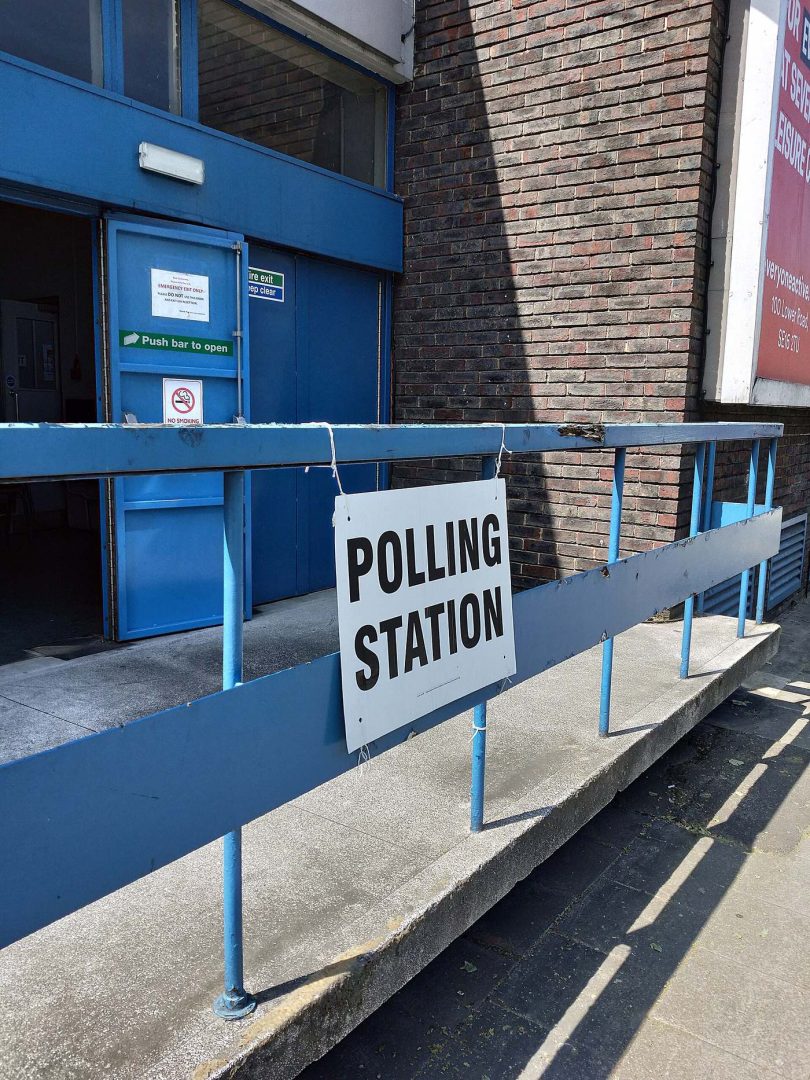

The microphone at the front of the town hall used to belong to a familiar cast: the same campaigners, the same business owners, the same confident voices at every meeting. Lately, clerks in town after town report something different — long queues of first-time speakers, many young, many nervous, most holding a single sheet of paper with three minutes of carefully practised remarks. The civic life documented on our community reporting pages is getting louder, broader and harder to predict.
The triggers are concrete. A housing development on a beloved field. A school closure. A bus route on the chopping block, a library’s hours, a landlord crisis. Issues that abstract national politics cannot match for urgency, because residents can see them from their kitchen windows. Social media groups formed around a single local fight have become recruiting grounds, coaching newcomers on how meetings work and what a public comment can actually achieve.
Officials are adjusting — mostly
Councils have responded unevenly. The better ones have moved meetings to evenings and accessible venues, added remote comment options, published plain-language explainers of the decision at stake, and trained chairs to welcome nervous speakers instead of gaveling them. The worse ones have cut comment time and moved business behind procedural walls — usually at the cost of far bigger protests later.
Civic researchers, including teams at the Knight Foundation that study local engagement, note that first-time speakers often stay involved: the resident who spoke once about a crossing starts attending the transport committee, then runs for a board.
Democracy at speaking pace
None of this guarantees wise decisions, and meetings can be captured by the loudest grievance as easily as by the broadest concern. But the direction of travel matters. A town hall where speaking is normal — where teenagers, nurses, tenants and pensioners all take their three minutes — is a place practising self-government in its oldest form.
Young residents are the fastest-growing voice
The most striking change in the sign-up sheets is age. Residents in their twenties and thirties — the generation assumed to have abandoned local politics for national noise online — are appearing in growing numbers, typically organised around one material fact: they cannot afford to live where they grew up. Housing debates that once pitted homeowners against developers now include the prospective tenants themselves, testifying about rents, commutes and the arithmetic of staying. Councillors describe the effect on rooms as bracing and occasionally uncomfortable; the politics of a place shifts measurably when its priced-out generation finds the microphone. Whatever individual decisions follow, officials concede the meetings are better attended, better argued and harder to stage-manage than they have been in years. The town hall, declared dead for a generation, is refilling from the back.
The clerks’ advice to newcomers is disarmingly simple: state your name, say your street, make one point well, and stop when the light turns red. The microphone, it turns out, was never reserved. It was only ever waiting.