


Managing an efficient, accurate payroll process is crucial for businesses across every industry. Payroll mistakes can not only result in financial losses but also cause employee dissatisfaction. Fortunately, there are proven strategies that can help business owners significantly reduce errors and simplify their payroll process. For those just starting, understanding how to do payroll for small business can be a valuable resource to ensure a strong foundation.
Keeping payroll smooth and stress-free requires staying organized and leveraging modern technology. Automated systems, regular audits, and up-to-date records can all help ensure on-time employee payments and regulatory compliance. When payroll is managed effectively, businesses save time, reduce overhead, and build greater trust with employees. This approach also leaves more space to focus on core business activities rather than administrative headaches.
Reducing the manual workload is an essential step in streamlining payroll. Moving away from paper-based processes to digital tools not only minimizes errors but also boosts efficiency. By embracing digital platforms and adopting best practices, businesses can greatly improve both the speed and accuracy of payroll operations. A focus on continuous improvement and adaptation to new payroll technology trends can help maintain an efficient system that grows with your business.
Alongside automation, periodic reviews of payroll practices and compliance with current laws are necessary to avoid penalties and maintain employee satisfaction. Establishing audit routines, maintaining consistent payroll schedules, and ensuring staff receive proper training all contribute to a well-run payroll process that benefits everyone involved.
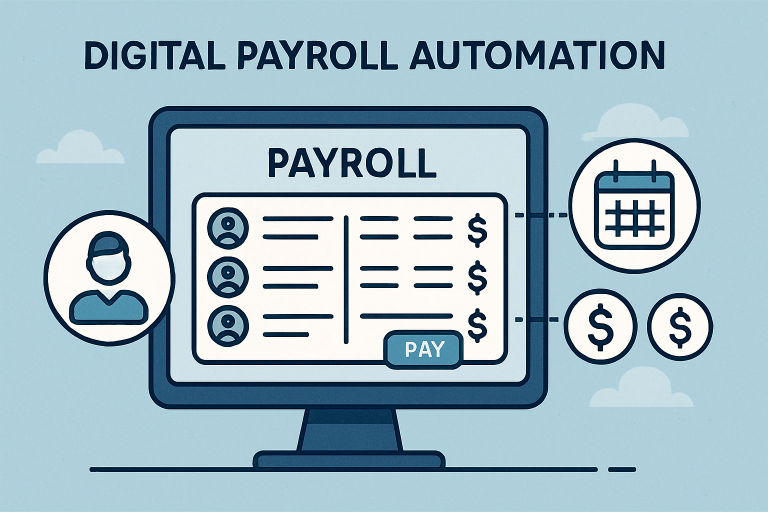
Automate Payroll Processes
Manual payroll calculations are not only tedious but also highly vulnerable to human error. Using payroll software allows for the automatic calculation of deductions, overtime, and taxes, which can significantly reduce mistakes. Many platforms integrate seamlessly with digital timesheet software and employee management tools, enabling faster, more reliable data transfer. For businesses looking to improve accuracy and save hours of work each month, automation is a practical solution. Modernizing payroll with technology not only streamlines internal processes but also enhances employee satisfaction by ensuring prompt, accurate wage payments.
Conduct Regular Audits
Scheduling regular payroll audits is key to finding discrepancies before they become major problems. An internal audit can identify missed payments, incorrect deductions, or compliance issues that might otherwise go unnoticed. Experts advise conducting a full audit at least once a year, with smaller reviews after every pay period. This habit helps businesses stay on track with their taxes, comply with labor laws, and foster a trustworthy relationship with their staff.
Implement Direct Deposit
Introducing direct deposit is one of the fastest ways to reduce paper waste, improve security, and shorten the time it takes employees to access their pay. Electronic payments also eliminate the issue of lost or stolen checks and decrease the administrative burden on payroll teams. Employees are generally more satisfied knowing they have fast, reliable access to their earnings, which can also reduce turnover. Direct deposit is widely recommended by financial experts and can often be set up quickly through most modern payroll platforms.
Maintain Accurate Employee Records
Complete and current records for each employee are essential not only for paying the correct amount each period, but also for legal compliance and quick issue resolution. Personnel files should include signed forms, updated addresses, tax details, benefit enrollments, and hours worked. Digital recordkeeping helps ensure documentation is always accessible and minimizes risks of outdated or missing information. This is especially important as labor regulations frequently change and require employers to respond quickly to compliance needs.
Establish a Consistent Payroll Schedule
Setting a regular payroll schedule, such as biweekly or monthly, helps both employers and employees plan their finances and reduces confusion about when payments will be made. A consistent schedule simplifies budgeting, supports steady business cash flow, and creates a transparent pay structure that employees can count on. This consistency fosters a positive workplace environment and builds trust among staff.
Stay Compliant with Regulations
Ensuring payroll practices comply with local, state, and federal laws is essential for any business. Legislation surrounding minimum wage, overtime, deductions, and tax reporting is updated regularly, so staying informed about regulatory changes is crucial. Non-compliance can result in costly fines, lawsuits, or other penalties that hurt a company’s reputation and finances. Proactive research and consultation with payroll professionals or legal advisors can help maintain compliance and avoid legal trouble.
Train Your Payroll Staff
Ongoing training for payroll staff is necessary as systems, regulations, and best practices continue to evolve. Employees responsible for payroll should have a thorough understanding of the software used and applicable payroll laws. Investing in continuous learning increases payroll accuracy, improves efficiency, and ensures the department stays up to date with the latest trends and requirements.
Consider Outsourcing Payroll Tasks
For businesses without dedicated payroll specialists or those seeking to reduce administrative burdens, outsourcing payroll is an increasingly popular and effective solution. Outsourcing allows access to advanced expertise and technology while freeing up valuable resources for core operations. Third-party providers handle payroll calculations, distributions, reporting, and compliance work, helping businesses of all sizes stay on track without dedicating significant time or energy to these tasks.
Adopting these payroll strategies can help reduce errors, lower administrative costs, and improve employee satisfaction. Streamlined payroll not only contributes to daily operational efficiency but also supports long-term business growth by keeping teams motivated and business owners focused on priorities.