
Republican GOP senators are expressing growing concerns about Health and Human Services (HHS) Secretary Robert F. Kennedy Jr., signaling to President Trump that his handling of vaccine policy is causing chaos. Lawmakers want Kennedy to halt controversial efforts to alter national vaccine recommendations without strong scientific support.
Senators Urge Caution Without Calling for Resignation
GOP senators have not called for Kennedy’s resignation or expressed regret over their February votes, but they are pressing him to reconsider policies that could undermine public trust in vaccines.
Read More: RFK Jr. Defends Against CDC Controversy
Senate Rebukes Kennedy Over Vaccine Leadership
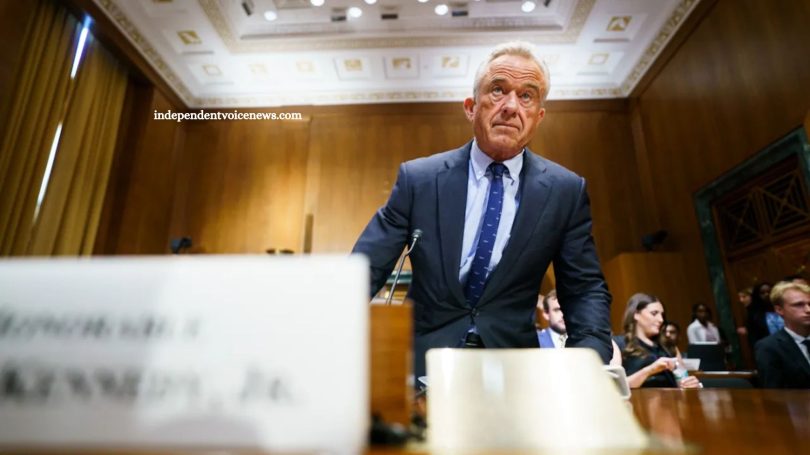
GOP Senate Republican Whip John Barrasso (R-Wyo.) criticized Kennedy during a Senate Finance Committee hearing, emphasizing support for vaccines. “Americans don’t know who to rely on,” Barrasso said, pointing to the measles outbreak, CDC leadership changes, and NIH concerns over mRNA vaccines.
He warned that safe, proven vaccines for diseases such as measles and hepatitis B could be at risk under Kennedy’s leadership.
Cassidy Highlights Access Issues
Senate HELP Committee Chairman Bill Cassidy (R-La.) noted Kennedy’s policies have made it harder for people to obtain vaccines. He cited a case shared by commentator Erick Erickson where a cancer patient could not access a vaccine at CVS.
Cassidy also pressed Kennedy on past statements as lead attorney for Children’s Health Defense, highlighting contradictions between his praise for Operation Warp Speed and his legal actions restricting COVID-19 vaccine access.
Senators Question Kennedy’s Commitment to Science
Sen. Thom Tillis (R-N.C.) challenged Kennedy for not following through on promises to empower NIH and CDC scientists and to avoid discouraging vaccination. Tillis criticized Kennedy’s firing of CDC Director Susan Monarez, the cancellation of mRNA research contracts, and the dismissal of ACIP members as inconsistent with his earlier pledges.
Tillis warned that Kennedy’s skepticism toward vaccines may hinder balanced decision-making. He plans to submit further questions about workforce reductions and scientific integrity at HHS.
Public Opinion Turns Against Kennedy
Polls indicate Kennedy’s policies are becoming politically problematic for Republicans. An Economist/YouGov survey found only 26% of adults trust his medical advice, while 48% distrust him. A CBS News/YouGov poll reported 74% of Americans want vaccines more accessible, and only 9% believe Kennedy is achieving this. Kennedy’s job approval stands at 45% versus 55% disapproval.
Republican Support Fractures
Since his confirmation in February, GOP support for Kennedy has waned. Senate Majority Leader John Thune (R-S.D.) criticized Kennedy for the turmoil at the CDC following Monarez’s sudden firing. Senators Lisa Murkowski (R-Alaska) and Susan Collins (R-Maine) declined to comment.
White House and Allies Defend Kennedy
White House Press Secretary Karoline Leavitt defended Kennedy on X, claiming the administration is addressing chronic disease and championing science. Vice President JD Vance also defended Kennedy, framing criticism as politically motivated.
Frequently Asked Questions
Why are Republican senators criticizing Robert F. Kennedy Jr.?
Senators are concerned that Kennedy’s attempts to change national vaccine policies lack scientific backing, potentially undermining public trust and access to vaccines.
Has Kennedy been asked to resign?
No. While senators have expressed serious concerns, they have not formally called for his resignation.
Which senators have publicly raised concerns about Kennedy?
Key senators include John Barrasso (R-Wyo.), Bill Cassidy (R-La.), Thom Tillis (R-N.C.), and Senate Majority Leader John Thune (R-S.D.).
What specific actions by Kennedy are causing concern?
Concerns include the firing of CDC Director Susan Monarez, canceling mRNA research contracts, dismissing members of the Advisory Committee on Immunization Practices (ACIP), and policies that may restrict vaccine access.
How has Kennedy responded to the criticism?
Kennedy defended his decisions but faced questioning over contradictions between his past statements and current policies.
What do polls say about Kennedy’s approval?
Public trust in Kennedy is low: surveys show only 26% trust his medical advice, while 48% distrust him. His overall job approval stands at 45%, with 55% disapproval.
How is the White House responding to the controversy?
White House Press Secretary Karoline Leavitt and Vice President JD Vance defended Kennedy, saying he is promoting science and transparency while framing criticism as politically motivated.
What are the potential consequences for vaccine policy?
If Kennedy continues his controversial policies, safe and proven vaccines for diseases such as measles and hepatitis B could face challenges, affecting public health nationwide.
Conclusion
Republican senators are sending a clear message that HHS Secretary Robert F. Kennedy Jr.’s approach to vaccine policy is raising serious concerns. While they have not called for his resignation, lawmakers are demanding transparency, adherence to science, and policies that ensure public access to vaccines. Public opinion and growing scrutiny in Congress signal that Kennedy’s leadership is under intense evaluation. The coming weeks will be critical in determining whether his policies can align with both scientific standards and public trust.