
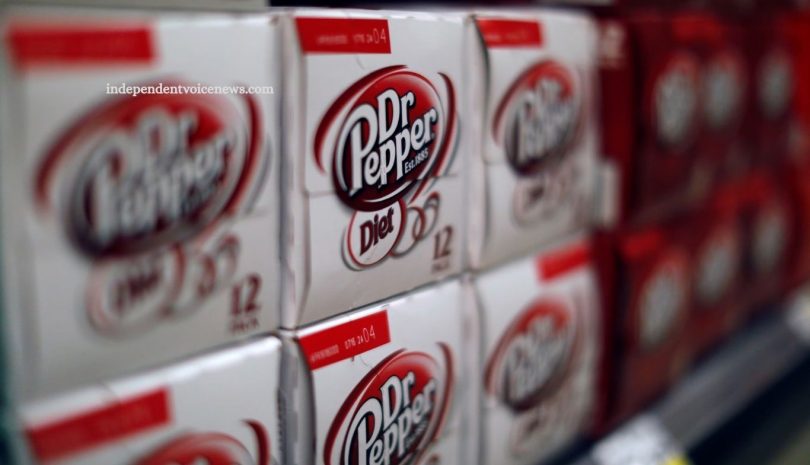

a major shakeup in the global beverage industry, Keurig Dr Pepper (KDP) has announced its plans to acquire Dutch coffee and tea company JDE Peet’s in a deal valued at approximately $18.4 billion. The move aims to revitalize KDP’s weakening coffee division while reshaping its long-term corporate strategy.
The acquisition, expected to close in the first half of 2026, marks a significant step for Keurig Dr Pepper as it positions itself to better compete in the global coffee market and unlock long-term shareholder value.
Read More: Eli Lilly vs. Novo Nordisk: Obesity Pills Set to Reshape the $95 Billion Weight Loss Market
Market Reactions: KDP Shares Drop, JDE Peet’s Surges
The market responded quickly to the news. KDP shares slid about 8% in early trading, reflecting investor skepticism about the deal’s immediate benefits and concerns over integration risks. In contrast, JDE Peet’s stock surged 17%, marking its best trading day on record, as investors welcomed the premium offer.
The deal will see Keurig Dr Pepper pay €31.85 ($37.30) per share in cash, representing a 33% premium over JDE Peet’s 90-day volume-weighted average share price. The total equity value of the acquisition stands at €15.7 billion ($18.4 billion).
Before the transaction closes, JDE Peet’s will distribute a previously declared dividend of €0.36 per share to its shareholders.
Strategic Rationale Behind the Acquisition
Keurig Dr Pepper has been actively seeking opportunities to strengthen its coffee segment, which has struggled in recent quarters. In Q2, KDP reported a 0.2% decline in U.S. coffee sales, falling to $900 million, driven by reduced demand for its single-serve coffee pods and Keurig brewers.
The acquisition of JDE Peet’s—a global coffee powerhouse known for brands like Douwe Egberts, Peet’s Coffee, and Jacobs—offers Keurig an opportunity to broaden its international footprint and diversify product offerings.
By acquiring JDE Peet’s, Keurig Dr Pepper expects to unlock $400 million in cost synergies over the next three years, primarily through operational efficiencies and streamlined supply chains.
KDP’s Coffee Strategy: Shifting Toward Value and Convenience
As consumer behavior evolves, Keurig Dr Pepper has been recalibrating its strategy to attract cost-conscious coffee drinkers who prefer brewing at home. At the same time, the company is expanding into ready-to-drink (RTD) cold coffee offerings to compete with major players like Starbucks and Dunkin’ in the premium coffee segment.
This acquisition is expected to accelerate that transformation by bringing a wider variety of coffee formats and brands under the KDP umbrella.
JAB Holding’s History With Both Companies
The deal also rekindles ties between KDP and JDE Peet’s through their mutual connection to JAB Holding Company, the investment arm of the German Reimann family. JAB previously owned significant stakes in both companies. Today, it holds 4.4% of KDP and remains the majority owner of JDE Peet’s—though it no longer holds board seats at Keurig Dr Pepper.
This historical link could help smooth the integration process between the two businesses.
Major Restructuring Planned: KDP to Split into Two Public Companies
Following the acquisition, Keurig Dr Pepper plans to divide its coffee and beverage operations into two separate, publicly traded companies—a dramatic reversal of the company’s 2018 merger that combined Keurig Green Mountain and Dr Pepper Snapple Group in an $18.7 billion deal.
This split, which could happen as soon as the JDE Peet’s acquisition is finalized, is designed to give each business more focus and strategic agility.
According to internal projections:
The new coffee company, including JDE Peet’s, is expected to generate $16 billion in annual net sales and will be led by Sudhanshu Priyadarshi, current CFO of Keurig Dr Pepper.
The standalone beverage business, projected to earn around $11 billion in annual net sales, will remain under the leadership of Tim Cofer, current CEO of KDP.
This separation is seen as a move to unlock value, increase operational focus, and better serve two distinct markets—hot beverages and carbonated soft drinks.
Industry Reactions: Analysts Weigh In
The planned split has raised eyebrows in the financial community. Barclays analysts Patrick Folan and Lauren Lieberman noted the irony of the move, writing that the original 2018 merger was already a “left-field” decision that many found puzzling.
“At the time, it was seen as both odd and a very left-field deal with the questionable logic of combining coffee and [carbonated soft drinks],” the analysts commented in a client note.
Now, KDP appears to be undoing that decision to realign with market realities and consumer trends.
Leadership Continuity at JDE Peet’s
Until the deal closes, Rafael Oliveira, CEO of JDE Peet’s, will remain in his current role. Oliveira has been instrumental in expanding JDE Peet’s global reach and will likely play a key role during the transition period.
Broader Coffee Market Trends
Keurig Dr Pepper is not alone in reassessing its coffee business. Over the weekend, Sky News reported that Coca-Cola is exploring the sale of Costa Coffee, which it acquired in 2018 for $5.1 billion. Rising commodity prices, fierce competition, and shifting consumer preferences are prompting global beverage companies to rethink their coffee strategies.
The KDP–JDE Peet’s deal could trigger a wave of consolidation or spinoffs in the hot beverage market as brands look to adapt to post-pandemic consumption trends.
Frequently Asked Questions
What is the value of the Keurig Dr Pepper–JDE Peet’s deal?
The acquisition is valued at approximately €15.7 billion ($18.4 billion USD). Keurig Dr Pepper will pay €31.85 ($37.30) per share in cash to acquire JDE Peet’s.
Why is Keurig Dr Pepper acquiring JDE Peet’s?
Keurig Dr Pepper aims to revitalize its declining coffee business, expand its global footprint, and strengthen its position in the growing at-home and cold coffee markets. The deal is expected to generate $400 million in cost synergies over three years.
How did the stock market react to the news?
- KDP shares fell about 8% in early trading, reflecting investor concerns over deal size and integration risks.
- JDE Peet’s stock rose 17%, reaching its best trading day ever, driven by the premium offer.
What does this mean for JDE Peet’s shareholders?
Shareholders of JDE Peet’s will receive €31.85 per share in cash, a 33% premium over the company’s 90-day average share price. Additionally, JDE Peet’s will pay a €0.36 dividend prior to deal closure.
When is the deal expected to close?
The acquisition is expected to close in the first half of 2026, pending regulatory approvals and shareholder consent.
Will Keurig Dr Pepper remain a single company after the deal?
No. After the acquisition, Keurig Dr Pepper plans to split into two separate, publicly traded companies—one focused on coffee and the other on beverages.
What caused the decline in KDP’s coffee sales?
KDP’s coffee segment fell 0.2% in Q2 2025, largely due to declining demand for single-serve pods and Keurig machines in the U.S. market.
What role does JAB Holding play in this deal?
JAB Holding, once a majority owner of both companies, currently owns 4.4% of KDP and is still the majority shareholder of JDE Peet’s, although it no longer holds board seats at KDP.
Conclusion
Keurig Dr Pepper’s $18 billion acquisition of JDE Peet’s represents a bold and transformative move aimed at reshaping the company’s future in the global coffee market. As KDP seeks to revive its lagging coffee segment and streamline operations, the deal positions the company to compete more aggressively in both hot and ready-to-drink coffee categories.
Despite initial investor concerns—evidenced by an 8% drop in KDP’s stock—the long-term strategy, including the planned split into two independent public companies, reflects a focused effort to unlock greater value and operational efficiency.