
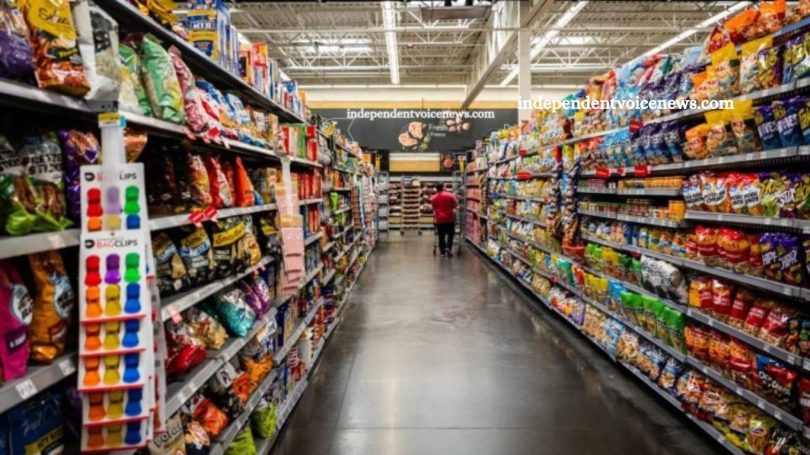

Major retailers such as Walmart and Home Depot reported earnings this week, giving Wall Street insight into how they and their customers are coping with President Trump’s latest tariff increases.
The takeaway: while tariffs have raised costs, retailers have managed to prevent broad price hikes. Consumer spending remains steady, and the effect on prices has been less severe than initially feared. Compared with concerns earlier in the year, executives now suggest that costs and retail prices are unlikely to spike dramatically.
Walmart, which warned in May that some prices could rise, has implemented selective increases while keeping other prices stable or discounted. “We’ve absorbed higher tariff costs in some areas, passed along costs in others, but across the basket, we aim to keep prices as low as possible,” CFO John David Rainey said.
Retail analyst Scot Ciccarelli noted that price hikes have been “far less than expected” when tariffs were first announced. Companies are easing the impact through tactics such as diversifying supply chains and shifting costs back to vendors.
Read More: Higher Tariffs Take Effect: Walmart and Retailers Weigh In on Impact
Consumer Spending Holds Steady, with Some Variations
Some categories remain under pressure, especially among lower-income shoppers who are more sensitive to price increases. Walmart CEO Doug McMillon said the overall impact of tariffs on spending has been “somewhat muted,” though rising costs are weighing more heavily on mid- and lower-income households than on wealthier consumers.
Home improvement sales at Home Depot and Lowe’s picked up late in the quarter, but elevated borrowing costs continue to constrain big-ticket projects. Crocs, meanwhile, reported weaker store traffic and more cautious spending, particularly among price-sensitive customers.
Retailers Strategically Limit Tariff Impacts
Retailers have moved quickly to soften the impact of tariffs, adopting strategies such as diversifying import sources, stocking up inventory in advance, and prioritizing high-demand products. Walmart, Target, and Tapestry-owned Coach used early shipments and well-timed inventory planning to keep cost increases in check.
Price changes have been introduced cautiously to avoid discouraging customers or drawing political attention. SharkNinja, the maker of blenders and hairstyling tools, raised prices selectively and even rolled back some increases. At the same time, the company launched new products—such as its CryoGlow infrared skincare mask—at higher price points to help offset rising expenses.
Home Depot also accelerated imports ahead of tariff deadlines and plans to cap reliance on any single country at 10% by year-end. Still, executives concede that tariff-related costs will persist. Walmart anticipates continued duty-driven expenses, while Tapestry projects about \$160 million in additional costs this fiscal year, pressuring margins even as sales rise.
Trade tensions—particularly with China—remain a source of uncertainty as tariff levels shift with ongoing negotiations. Reflecting this volatility, Target issued a wider-than-usual full-year earnings outlook.
Strong Brands and New Revenue Streams Help Weather Tariffs
Companies with strong brand loyalty and diversified revenue streams are better equipped to navigate trade uncertainty. Home Depot and Lowe’s have expanded their professional services to secure steadier revenue as homeowners delay larger projects. Lowe’s recently acquired Foundation Building Materials for \$8.8 billion—its second pro-focused purchase in months—while Home Depot continues to grow its contractor-focused segment.
Walmart has likewise leaned on growth beyond retail, reporting a 46% jump in global advertising revenue and a 17% increase in its third-party marketplace. These high-margin businesses help stabilize earnings despite rising costs, CFO John David Rainey noted.
Brands with strong demand also have more pricing power. Birkenstock reported no resistance to higher prices, while Coach offset costs with higher average prices and fewer markdowns. Smaller or slower-growing companies, however, face more pressure. Target’s margins were hit by canceled orders, and Crocs scaled back its second-half buying.
Frequently Asked Questions
How are tariffs affecting major retailers like Walmart and Home Depot?
Retailers are facing higher costs, but many have managed to limit price hikes through strategies such as diversifying suppliers, securing early shipments, and passing some costs to vendors.
Have consumers seen significant price increases?
Not broadly. While some products have gone up in price, retailers like Walmart have absorbed costs in certain categories to keep overall baskets affordable.
Which consumers are most impacted by tariffs?
Lower- and mid-income households are more sensitive to even modest price increases. Higher-income shoppers have felt less impact.
How are retailers offsetting tariff-related expenses?
Strategies include expanding into high-margin businesses (e.g., Walmart’s advertising and marketplace revenue), focusing on professional customers (Home Depot and Lowe’s), and carefully managing price adjustments.
Are some brands better positioned than others?
Yes. Companies with strong brand loyalty, such as Birkenstock and Coach, have successfully raised prices without losing demand. Smaller brands with less leverage, like Crocs, face greater challenges.
What role does trade uncertainty with China play?
It remains a key risk. Tariff levels shift with negotiations, making planning difficult. Some retailers, like Target, have issued wider-than-usual earnings outlooks to account for this volatility.
Conclusion
The latest round of tariffs has created new cost pressures for retailers, but so far the impact on consumers has been less severe than many feared. Companies like Walmart, Home Depot, and Target are relying on strategies such as supply chain diversification, early shipments, and expansion into higher-margin businesses to cushion the blow. Still, trade uncertainty—particularly with China—continues to cloud the outlook. While strong brands with loyal customers are weathering the storm, smaller players face greater risks, leaving the retail sector navigating an uneven path through ongoing tariff headwinds.